
Bionic Body Parts
Where medicine meets engineering, and technology becomes part of the human body. 🦾🧬
01 Introduction: Welcome to the World of Bionics
Imagine a world where technology can help someone walk after losing a leg, hear sounds with the help of a tiny electronic device, or replace a damaged hip.
This is the fascinating world of bionic body parts.
Bionics brings together medicine, science, engineering, and technology to help people overcome physical challenges. From ancient artificial toes to modern robotic limbs, humans have been finding creative ways to improve the human body for thousands of years.
Bionics combines ideas from the human body with modern engineering to create technologies that can restore, replace, or enhance physical abilities.
In this article, we will explore some of the most fascinating artificial and technology-assisted body parts and discover how they have changed people’s lives.
What Are Bionic Body Parts?
Bionic technology uses science and technology to support, replace, or improve the function of parts of the human body.
People may need artificial or technology-assisted body parts because of birth conditions, accidents, illnesses, injuries, or changes that happen with age.
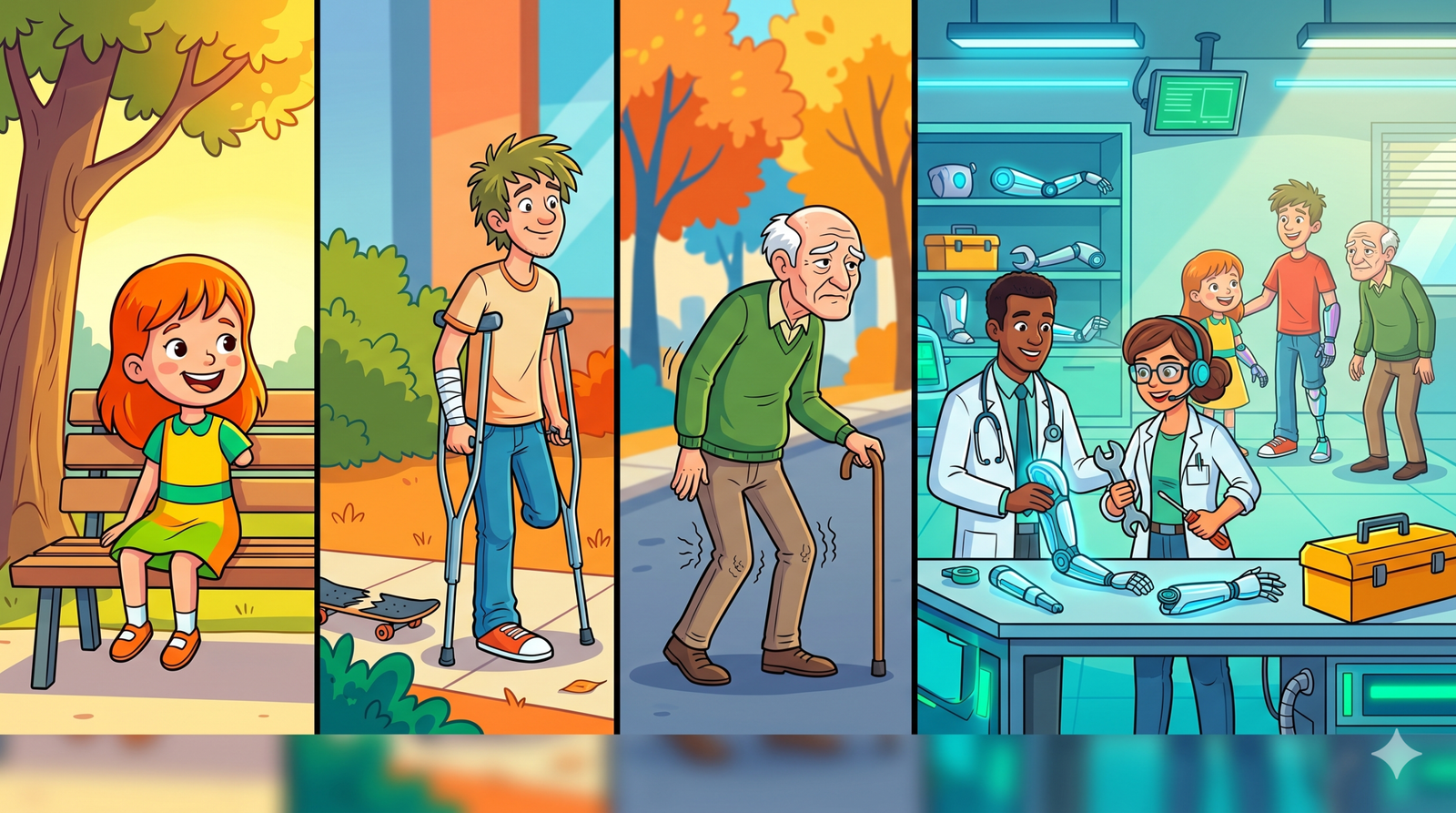
Helping the Body Move
Bionic and artificial technologies can help people regain or improve movement, making everyday activities easier and more independent.
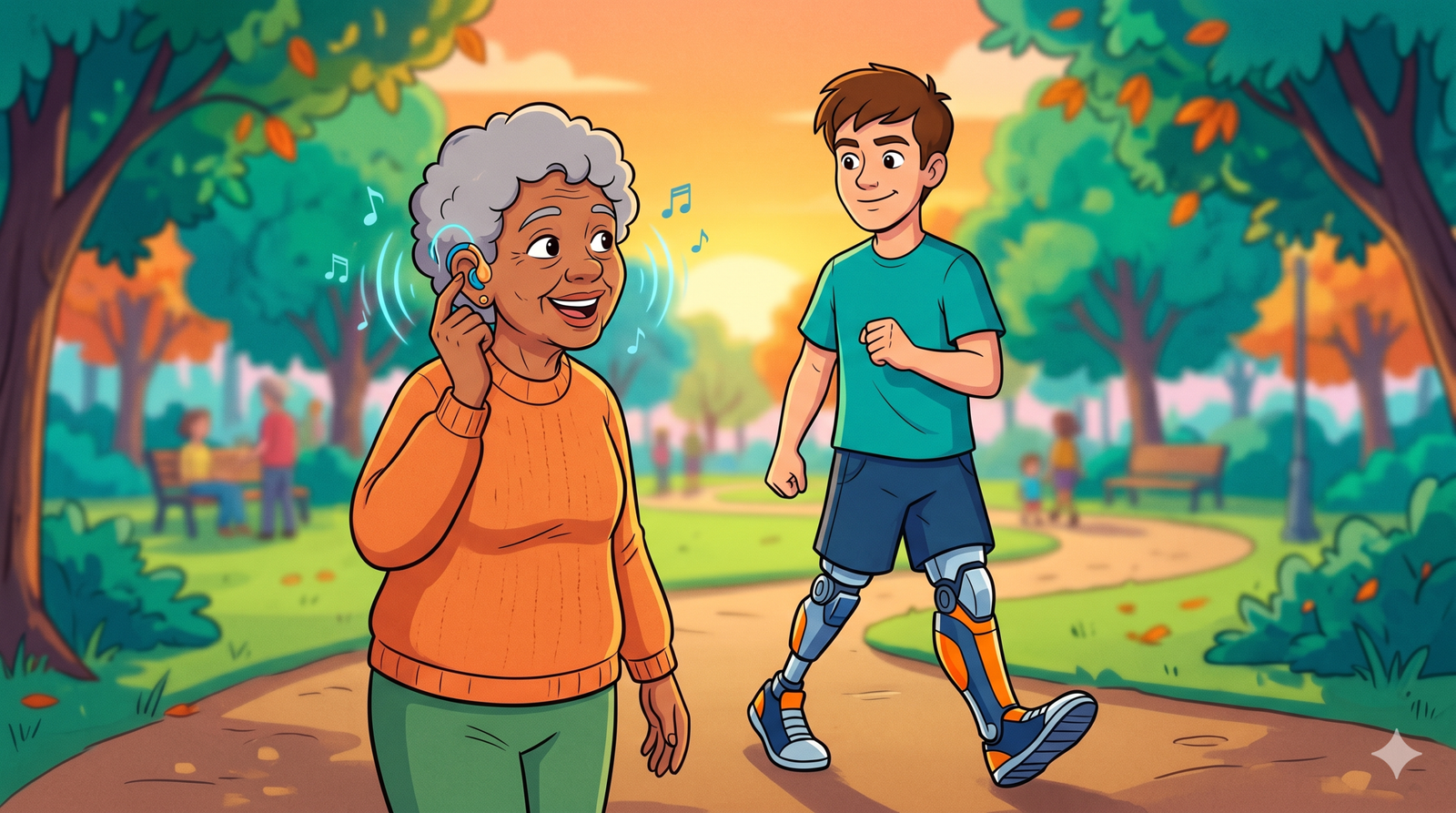
Supporting Hearing & Vision
Different technologies can assist important senses, including hearing and vision, using sophisticated electronic and computer-assisted systems.

Supporting Essential Functions
Bionic technology can also support functions such as heart activity and eating, showing how technology can interact with some of the body’s most important systems.
What Are Bionic Technologies Made From?
Bionic and artificial body technologies can use a combination of physical materials and advanced electronics.
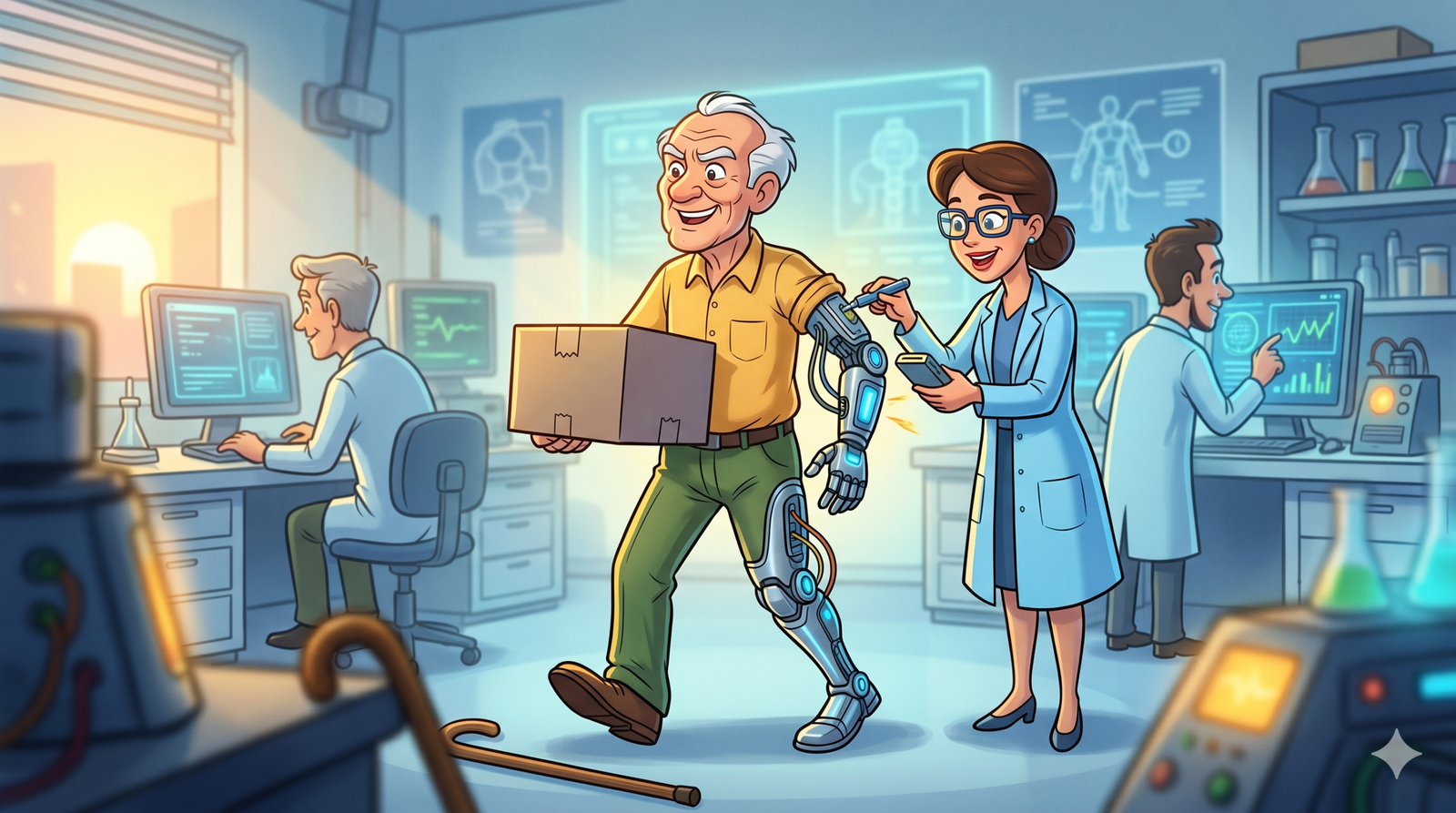
Technology Designed Around People
Although these technologies work in different ways, they all have an important goal: helping people live more independently and comfortably.
A Brief History of Artificial Body Parts
Artificial body parts are not a modern invention.
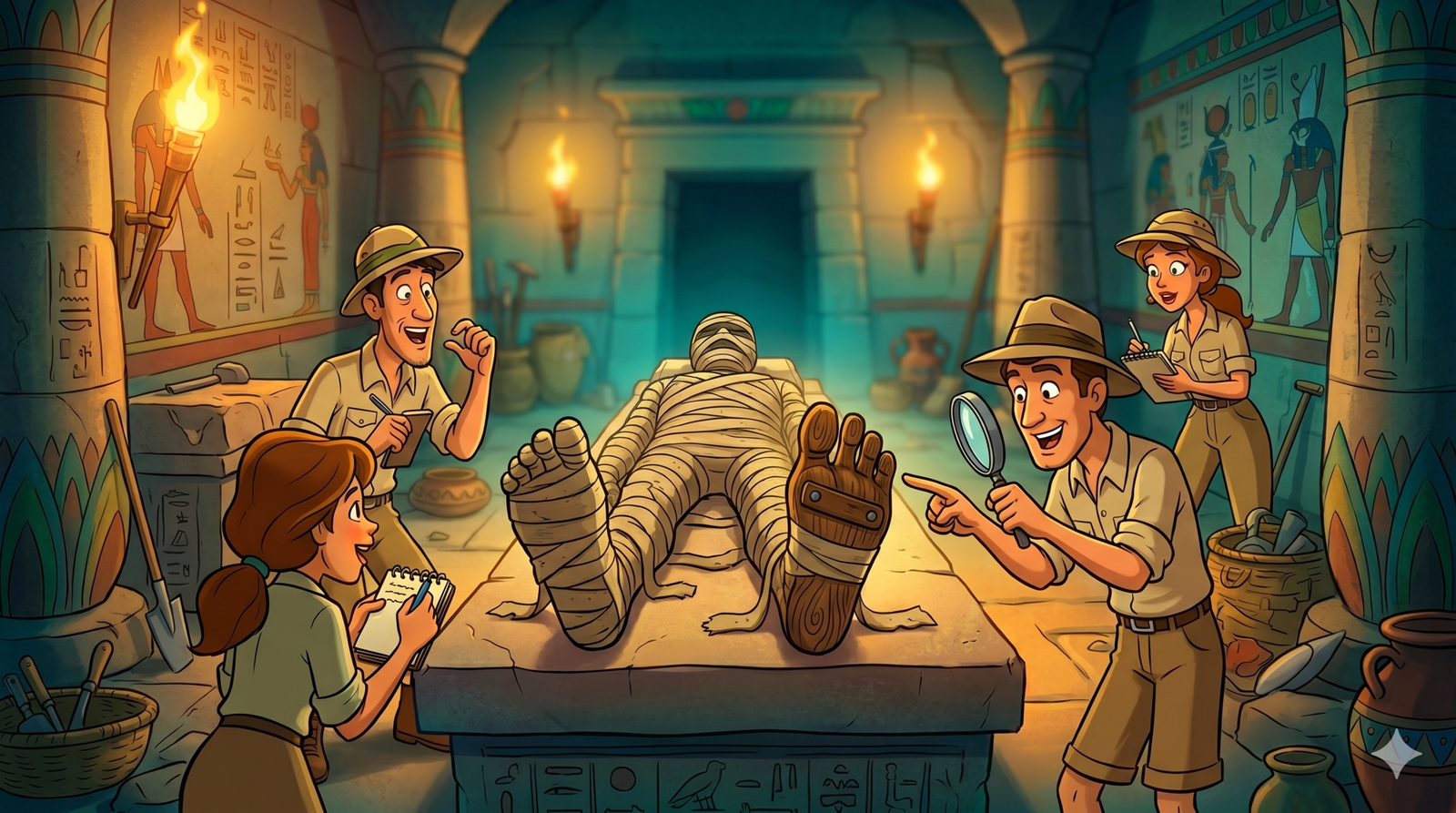
The Ancient Egyptian Toe
One of the most fascinating examples comes from ancient Egypt, where researchers discovered a wooden toe attached to a mummy that is more than 2,700 years old.
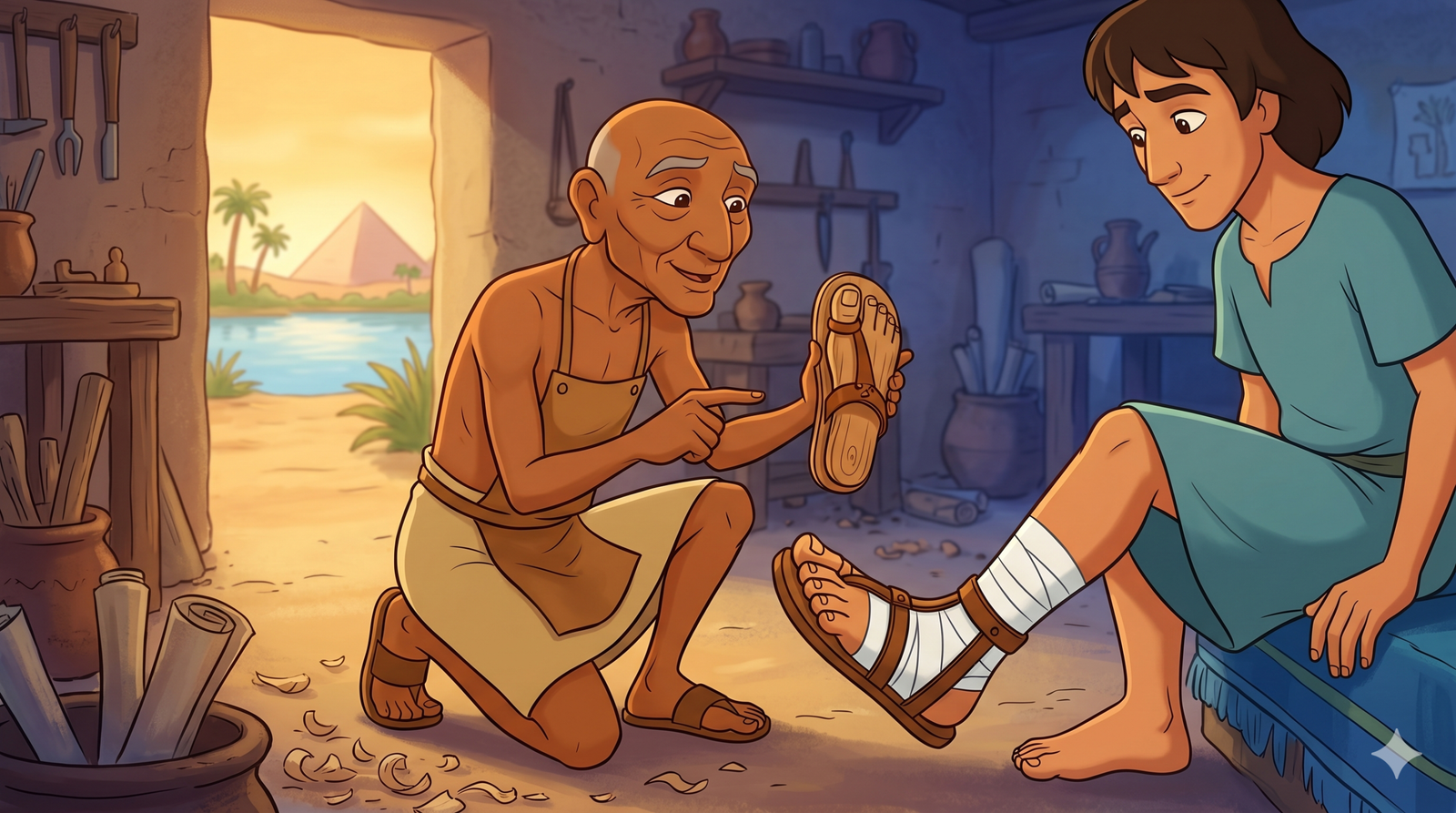
Wood & Leather
Early artificial body parts were made using materials such as wood and leather. These simple materials allowed people to create basic replacements for damaged or missing body parts.
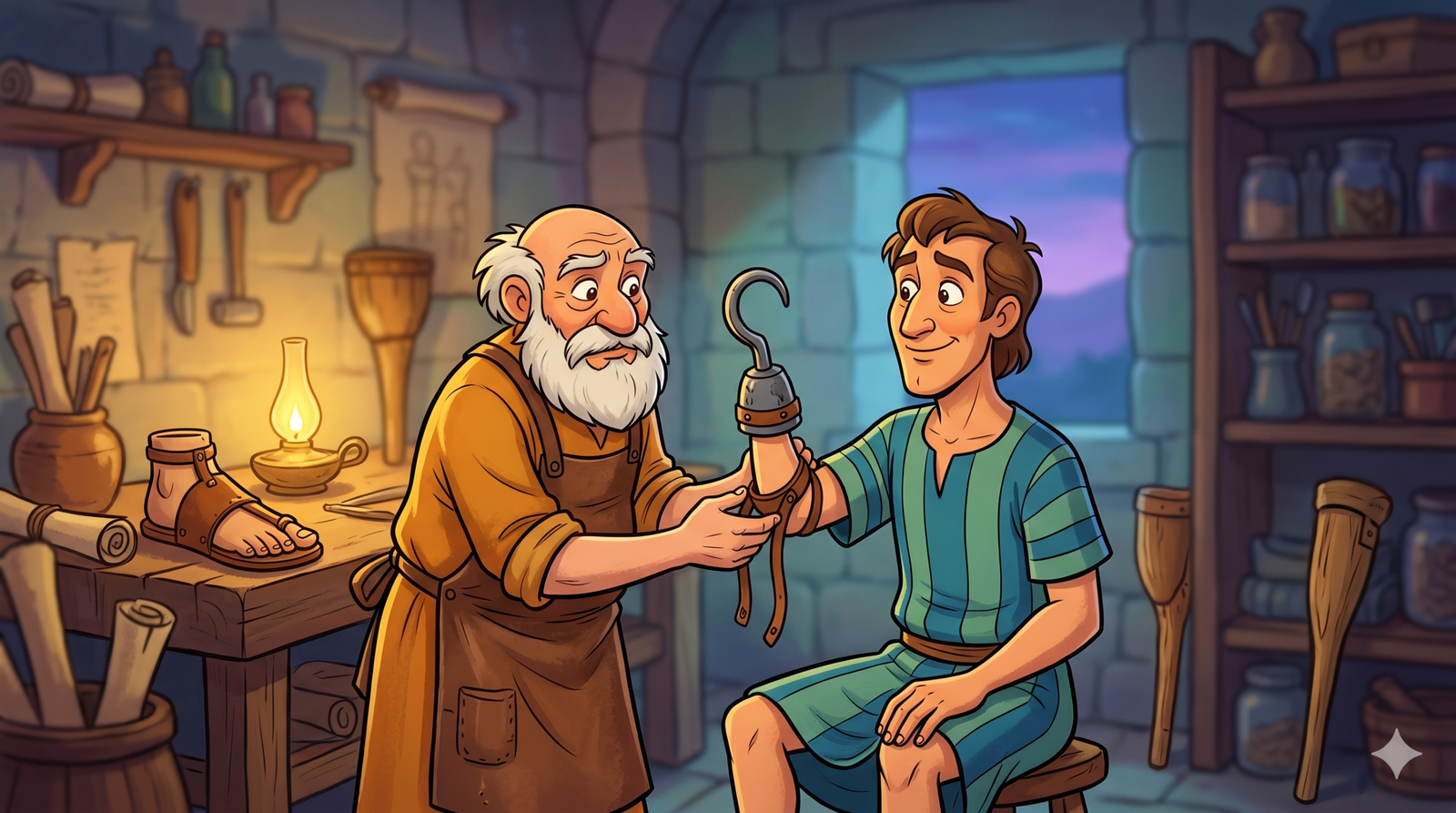
Iron & Bronze
As metalworking developed, materials such as iron and bronze became part of artificial body designs. These inventions were much simpler than today’s technology, but they represented important steps forward.
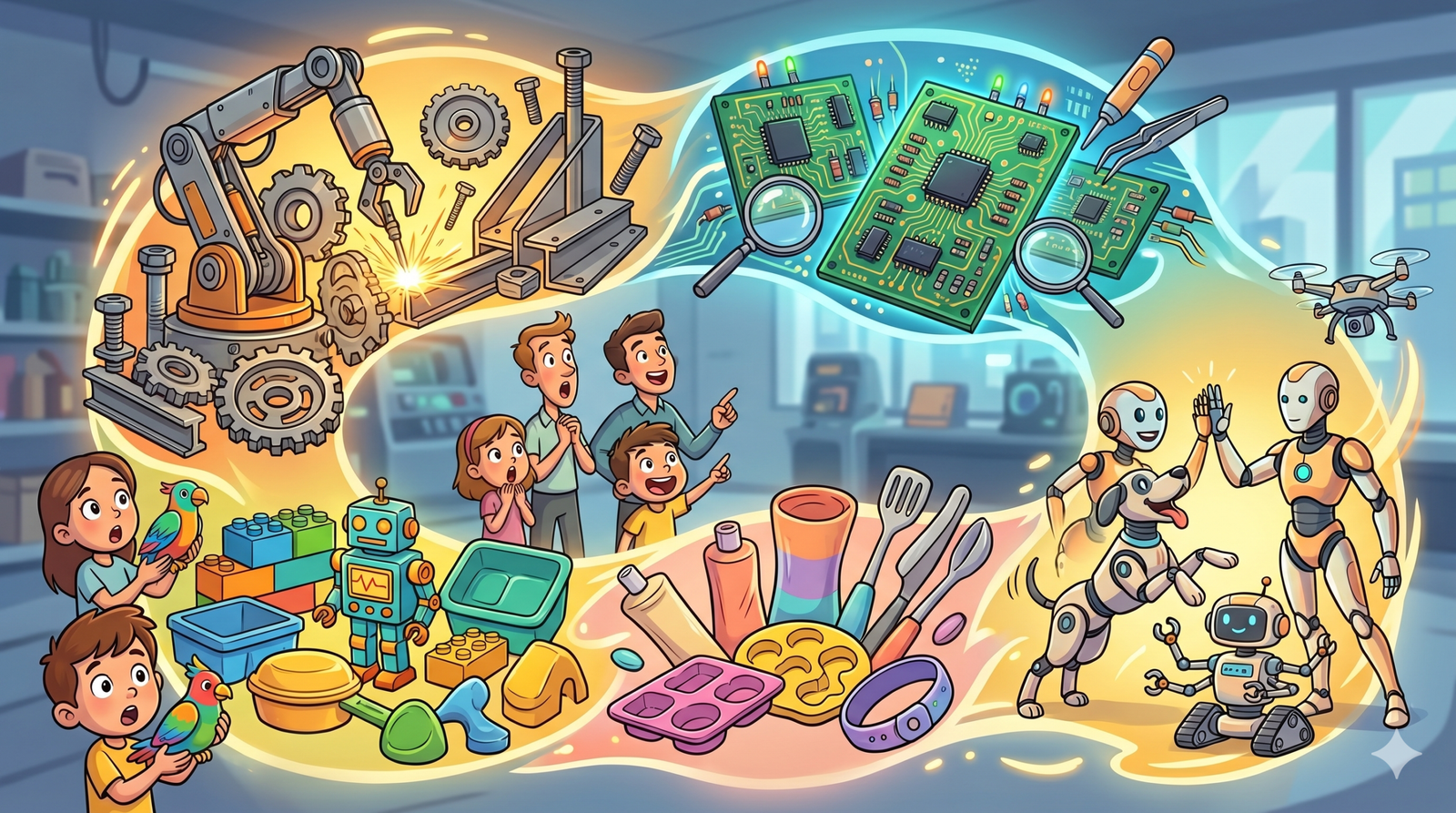
From Mechanics to Electronics
Over time, artificial body parts developed from simple mechanical designs into sophisticated devices that can use electronics, sensors, and computer technology.
Prosthetic Arms and Legs
Artificial arms and legs are known as prosthetic limbs.
Early prosthetic limbs were often heavy and had limited movement. Modern designs are very different. Advances in engineering and materials have made prosthetic limbs lighter, stronger, and more functional.
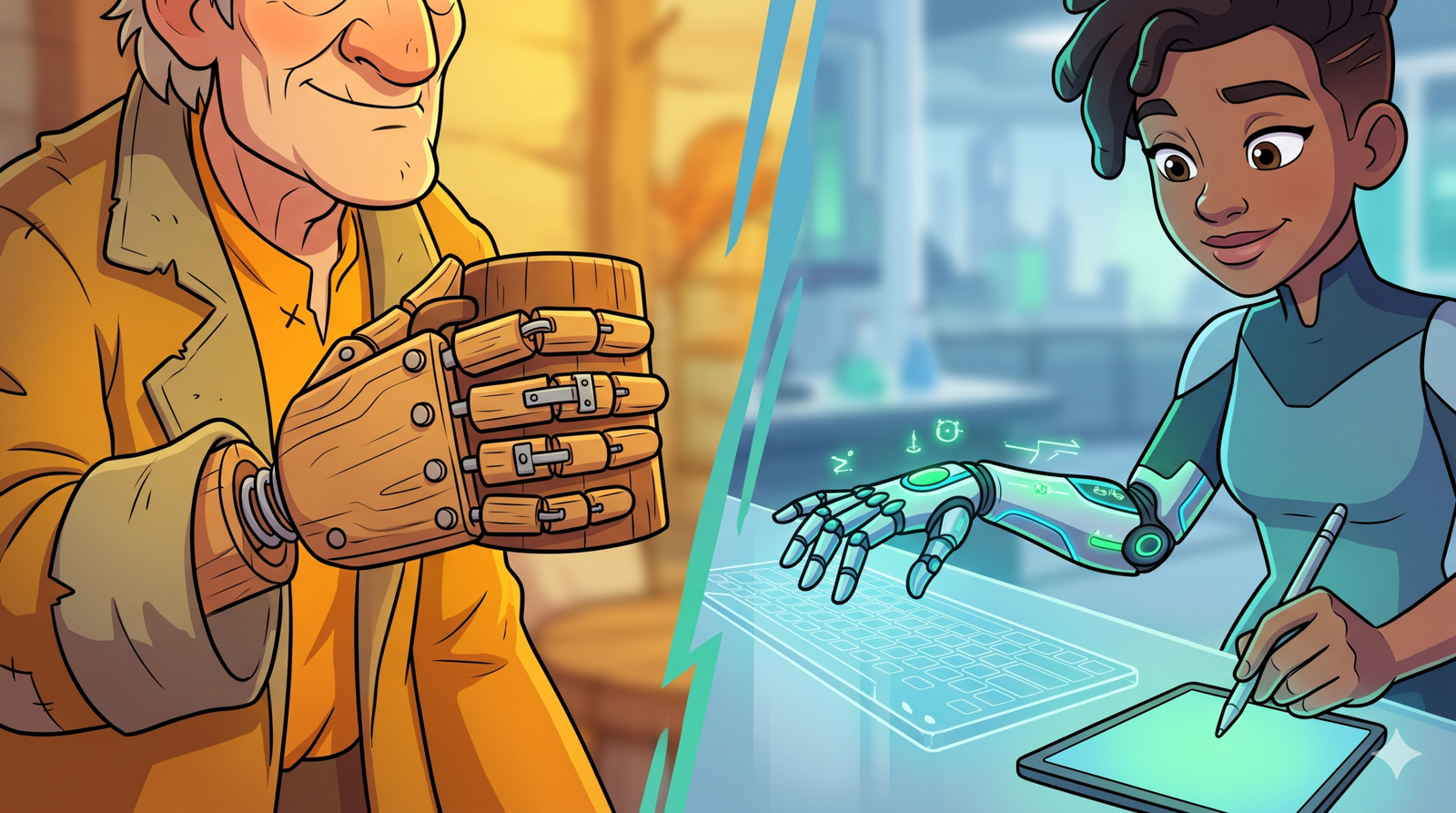
From Heavy Mechanical Limbs to Modern Designs
Early prosthetic limbs were often heavy and had limited movement. Modern designs are very different, thanks to advances in engineering and materials.
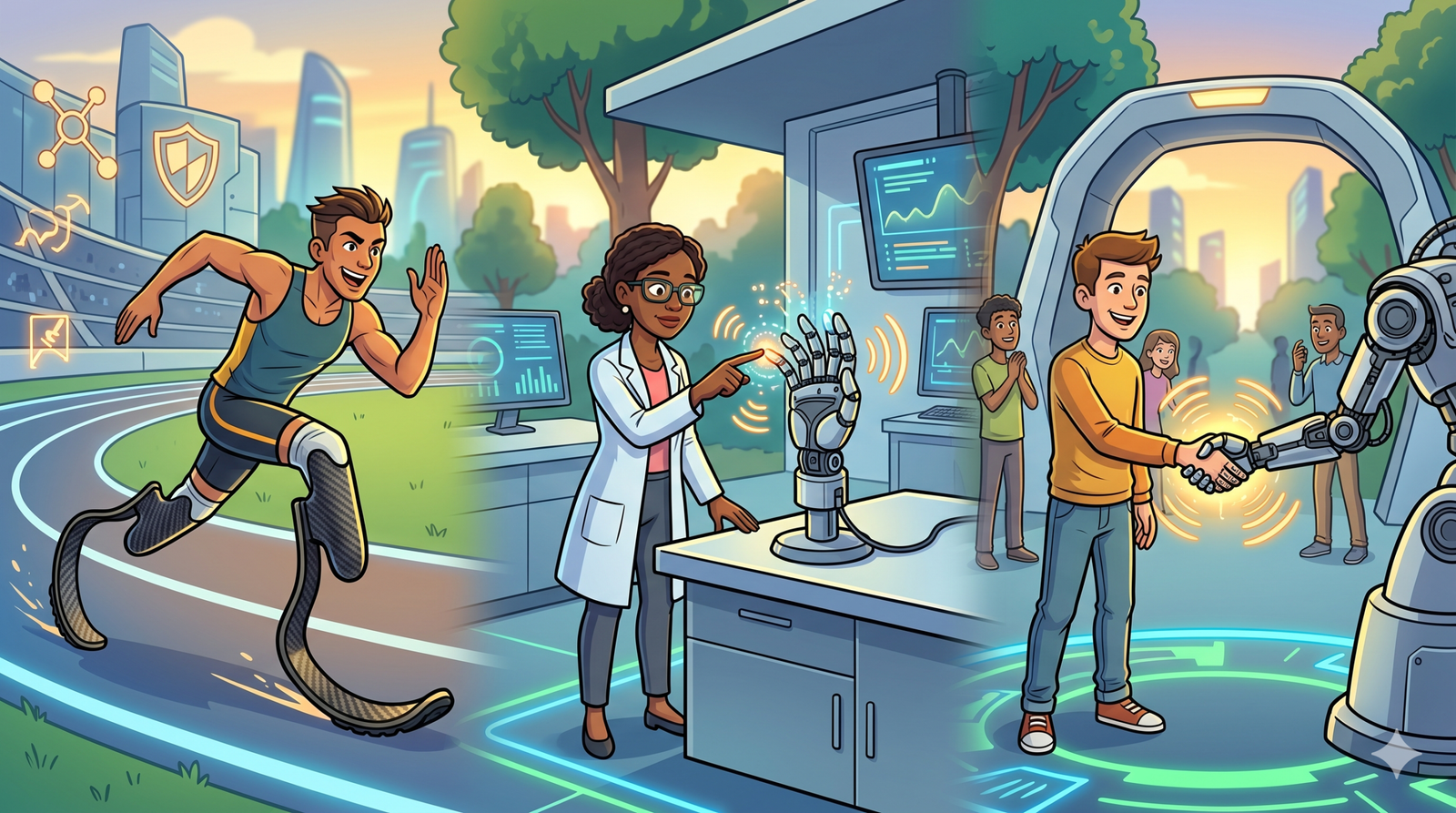
When Prosthetics Respond to the Body
Some modern robotic limbs can bend, grip objects, and respond to signals from muscles.
Can Prosthetics Feel?
Researchers are also developing technologies that may allow prosthetic users to experience sensations such as pressure or touch.
Prosthetic Limbs in Sports
Special prosthetic legs have also opened new opportunities in sports.
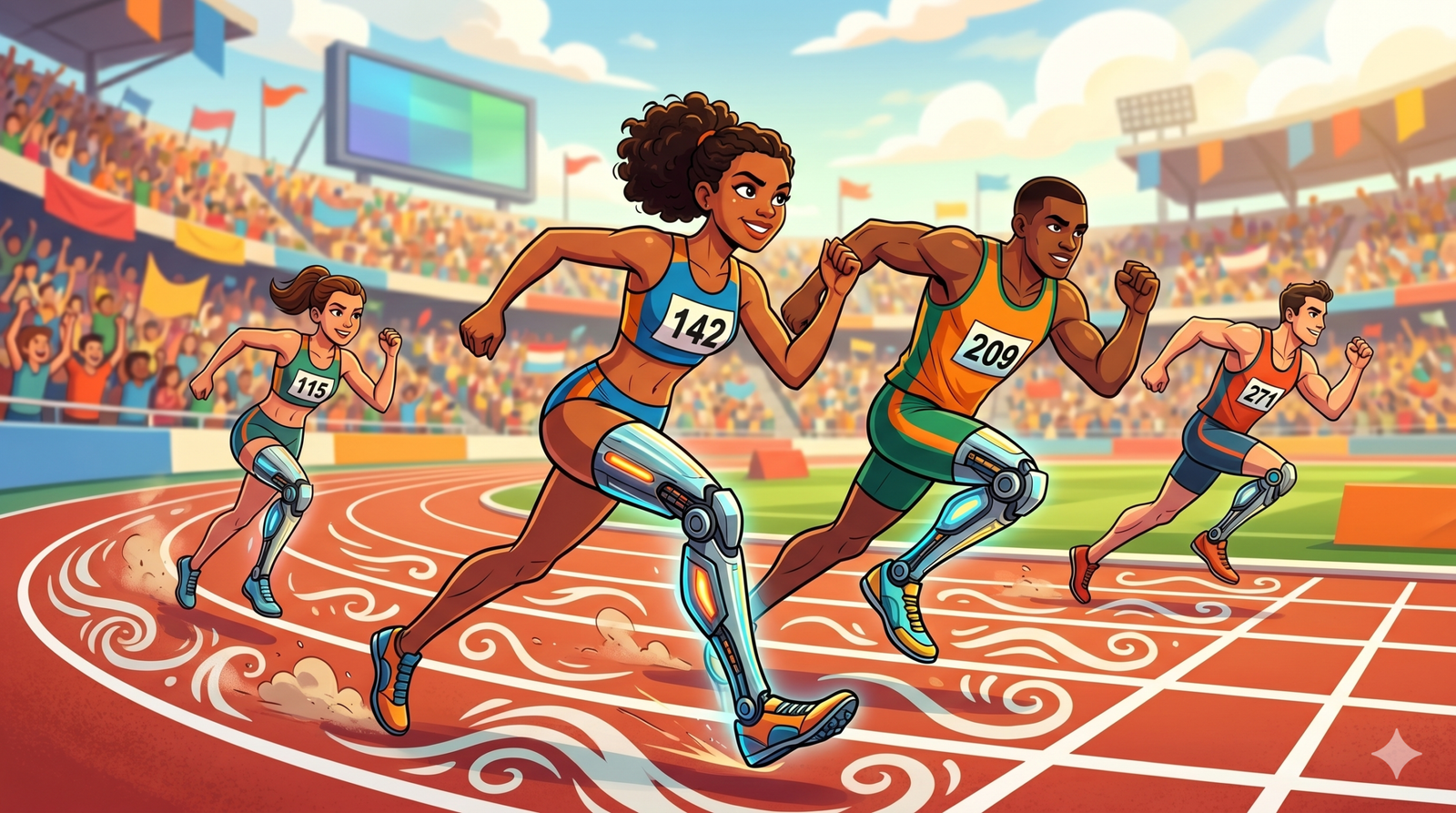
Designed for Speed & Energy Return
Curved running blades made from strong materials such as carbon fiber are designed to provide flexibility and energy return during running.
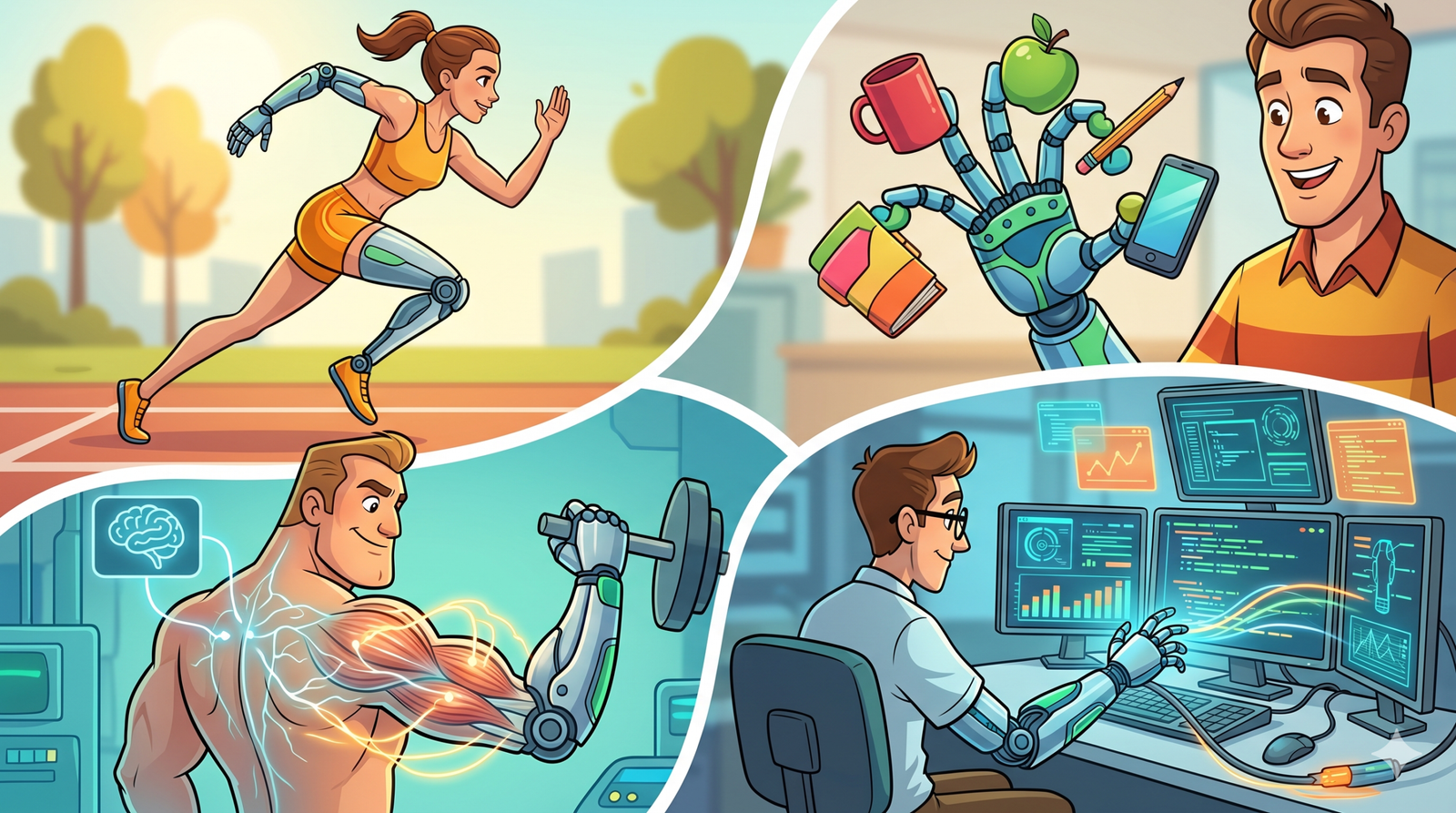
Opening the Door to Physical Activity
Prosthetic technology allows many people to take part in sports and other physical activities.
The journey from simple wooden limbs to advanced robotic prosthetics shows just how far medical technology has come.
Hugh Herr: The Scientist Who Reinvented Mobility
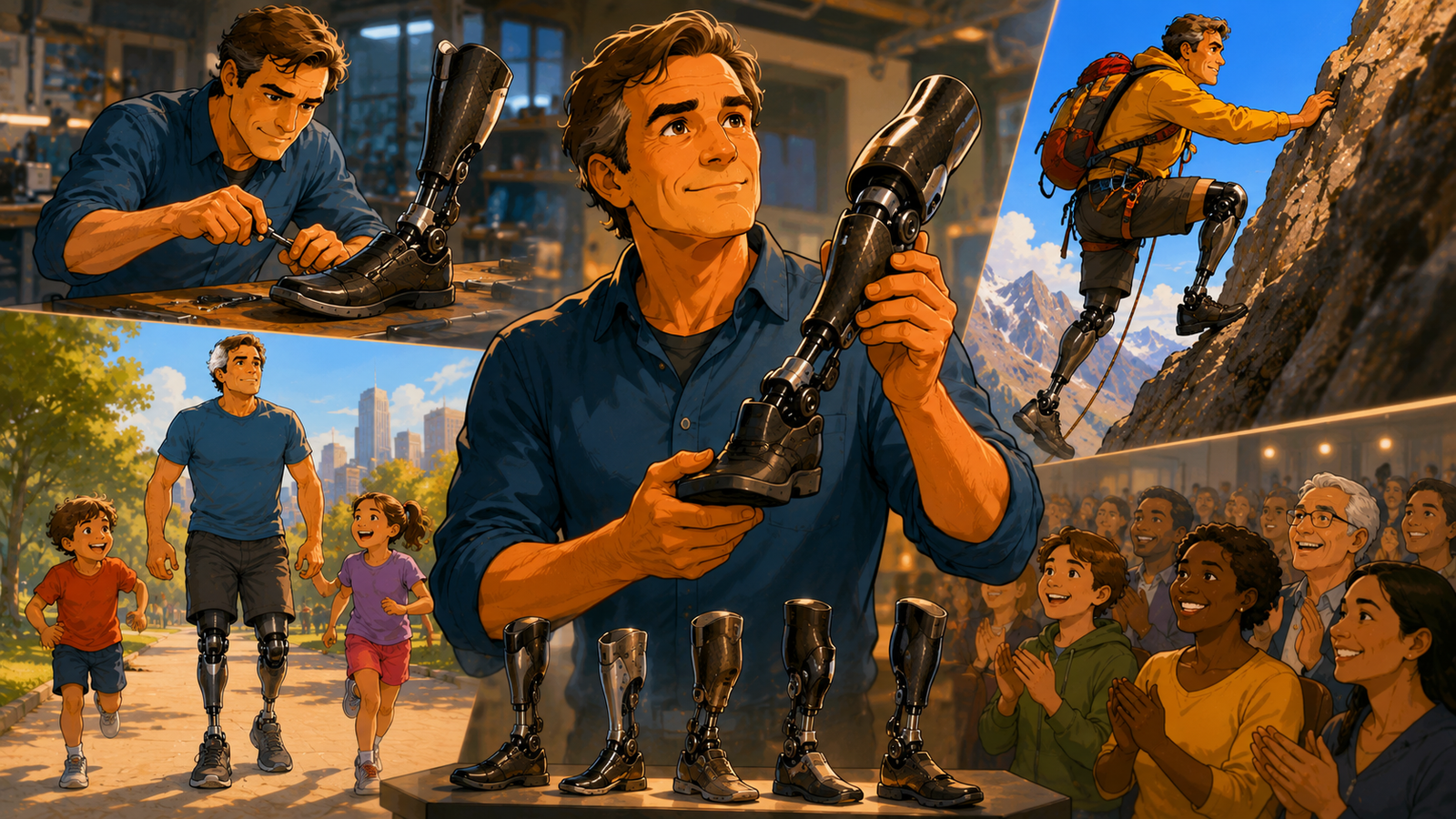
A Different Way of Looking at Mobility
Hugh Herr is one of the well-known names in modern prosthetic technology.
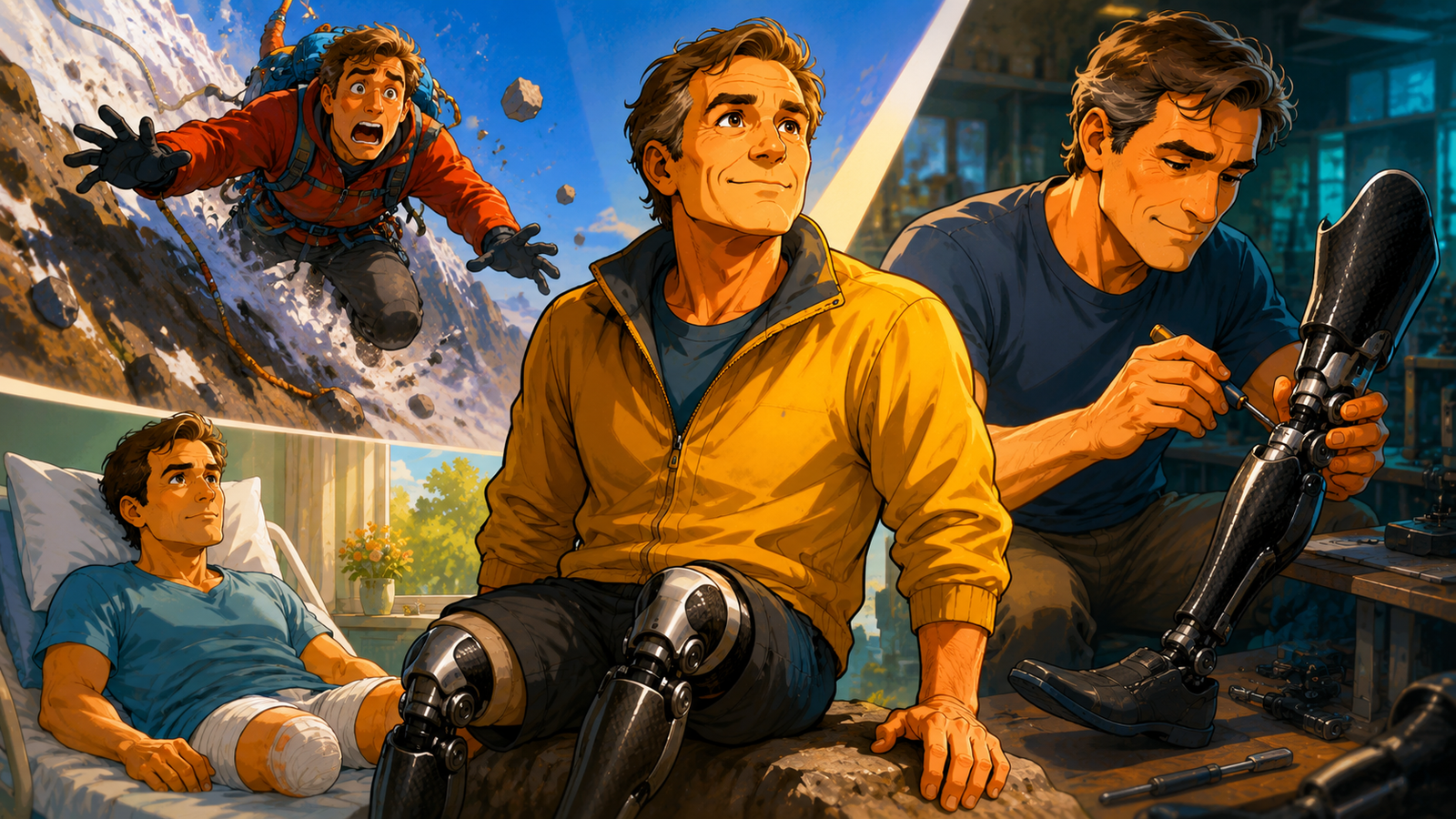
After losing both legs following a mountain-climbing accident as a teenager, Herr went on to study science and engineering.

Turning a Personal Challenge Into Innovation
Instead of allowing his injury to stop him, Herr became involved in developing advanced prosthetic technology.
His work has helped demonstrate how engineering can be used to create sophisticated artificial limbs designed around the needs of individual users.
Designing Technology Around the Person
Herr’s work reflects an important shift in prosthetic design — creating technology that is developed around the individual rather than simply replacing a missing body part.
When Technology Expands Human Possibilities
His work has helped demonstrate how advanced engineering can create sophisticated artificial limbs designed around the needs of individual users.
His story is also a reminder that difficult experiences can inspire people to create solutions that help others.
From Challenge to Possibility
Hugh Herr’s journey shows how science, engineering and personal experience can come together to rethink the possibilities of human mobility.
Hearing Aids: Helping People Hear Again
From Large Sound Collectors to Smart Hearing Devices
The technology used to help people hear has changed dramatically over time.
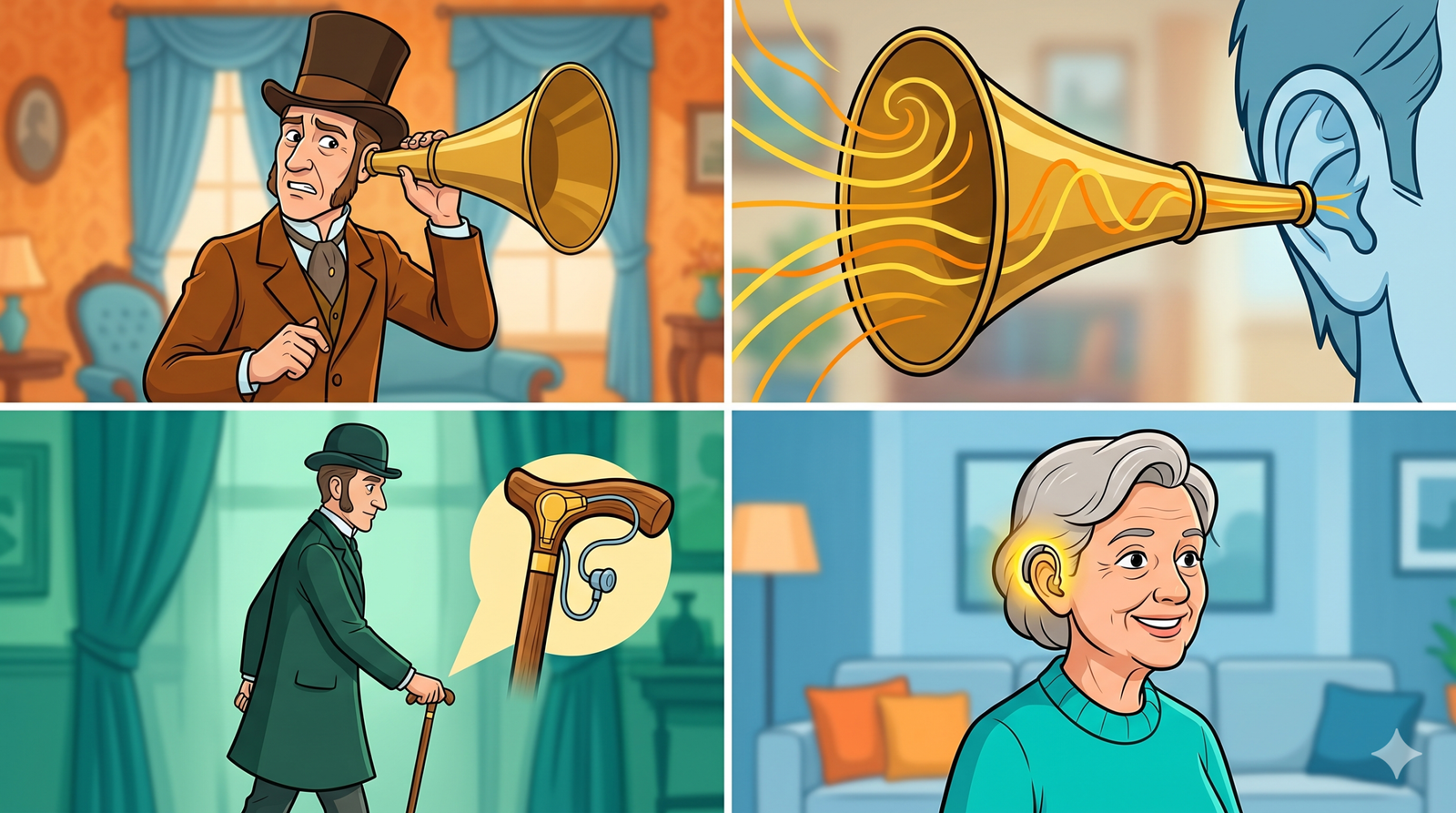
Early hearing devices included large ear trumpets, which collected sound and directed it toward the ear.
When Hearing Assistance Was Mechanical
Early hearing devices included large ear trumpets. These devices collected sound from the surrounding environment and directed it toward the ear.
Smaller Devices, Smarter Technology
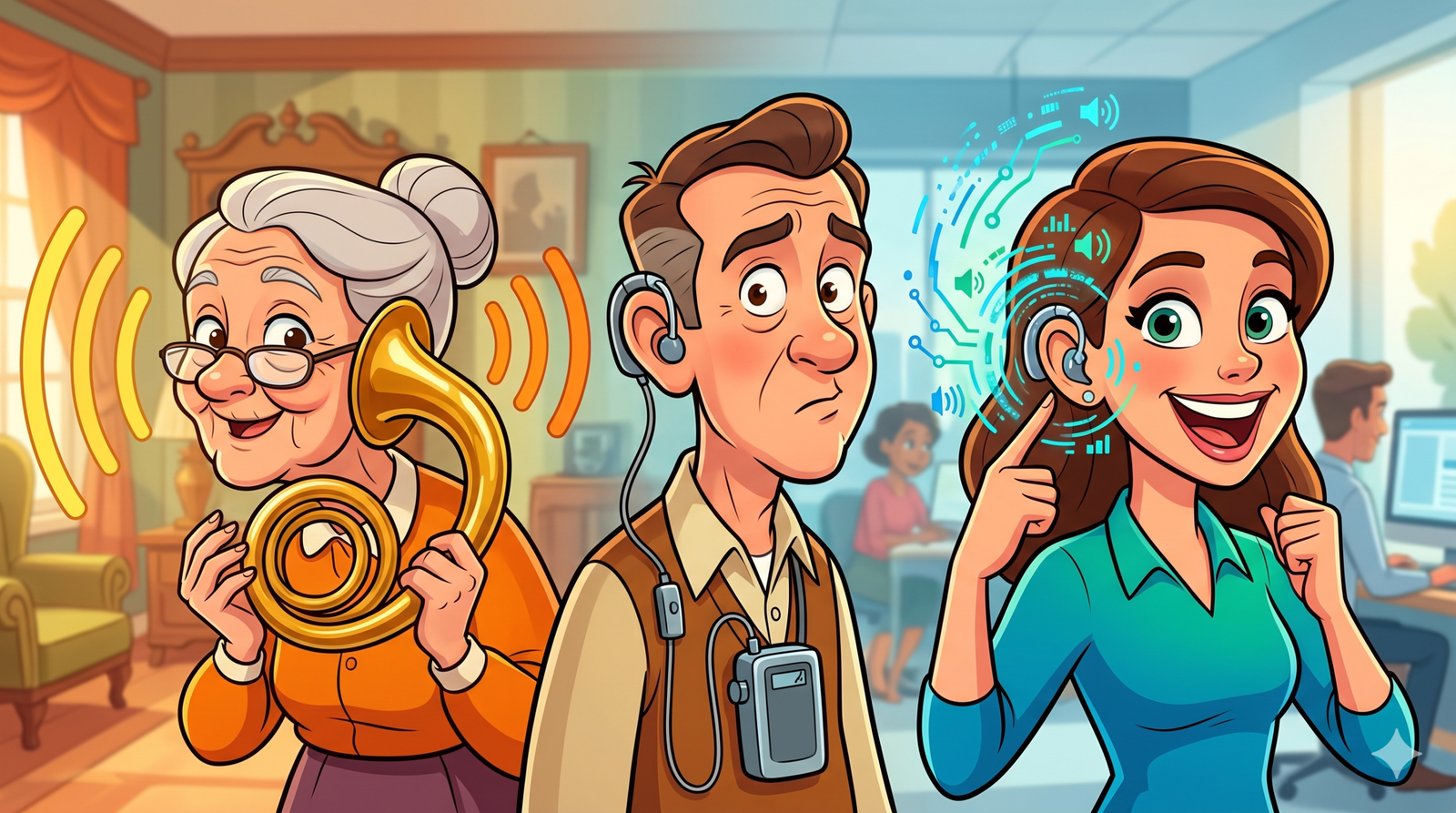
Modern hearing aids are much smaller electronic devices. They use technology to capture, process, adjust and deliver sound to the ear.
From Sound to the Ear
Microphone
Picks up sounds from the surrounding environment.
Amplifier / Processor
Adjusts and processes the sound for the listener.
Speaker
Delivers the processed sound toward the ear.

Hearing Aids Can Now Connect to the Digital World
Some modern hearing aids can also connect with smartphones, televisions, tablets, and other devices.

Powerful Technology in a Tiny Form
What once required a large device can now be accomplished with technology small enough to fit discreetly in or around the ear.
From Sound Collection to Intelligent Hearing
The evolution of hearing aids shows how technology can become smaller, smarter and more connected while helping people interact with the world around them.
Contact Lenses: A Tiny Technology for Better Vision
A Small Lens with a Big Impact
Contact lenses have become a popular alternative to glasses for correcting vision.
Unlike glasses, contact lenses sit directly on the eye, providing vision correction without placing a frame around the face.
From Hard Lenses to More Comfortable Designs
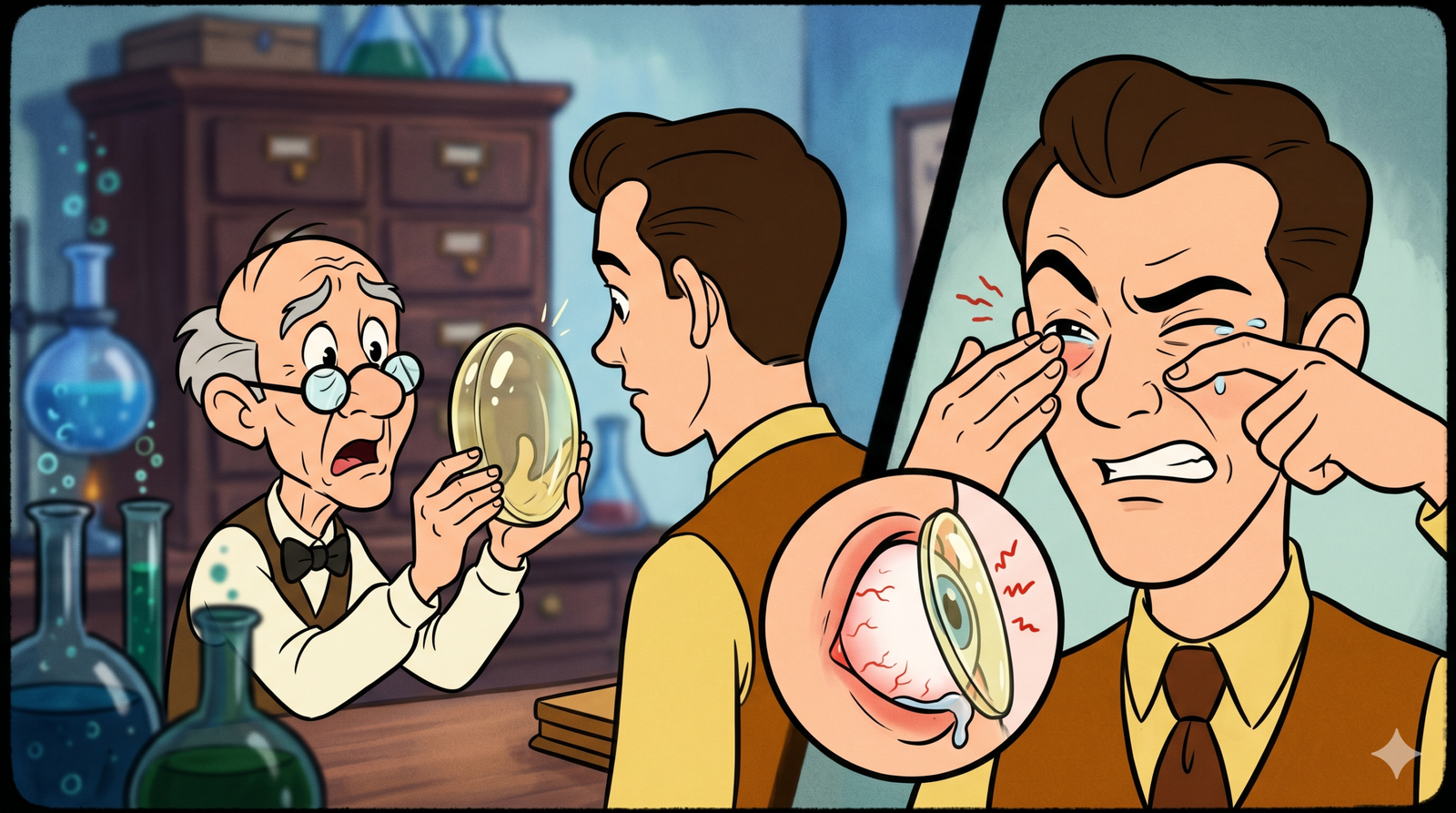
The earliest contact lenses were hard and could be uncomfortable to wear.
The development of softer materials eventually made contact lenses much more practical for everyday use.
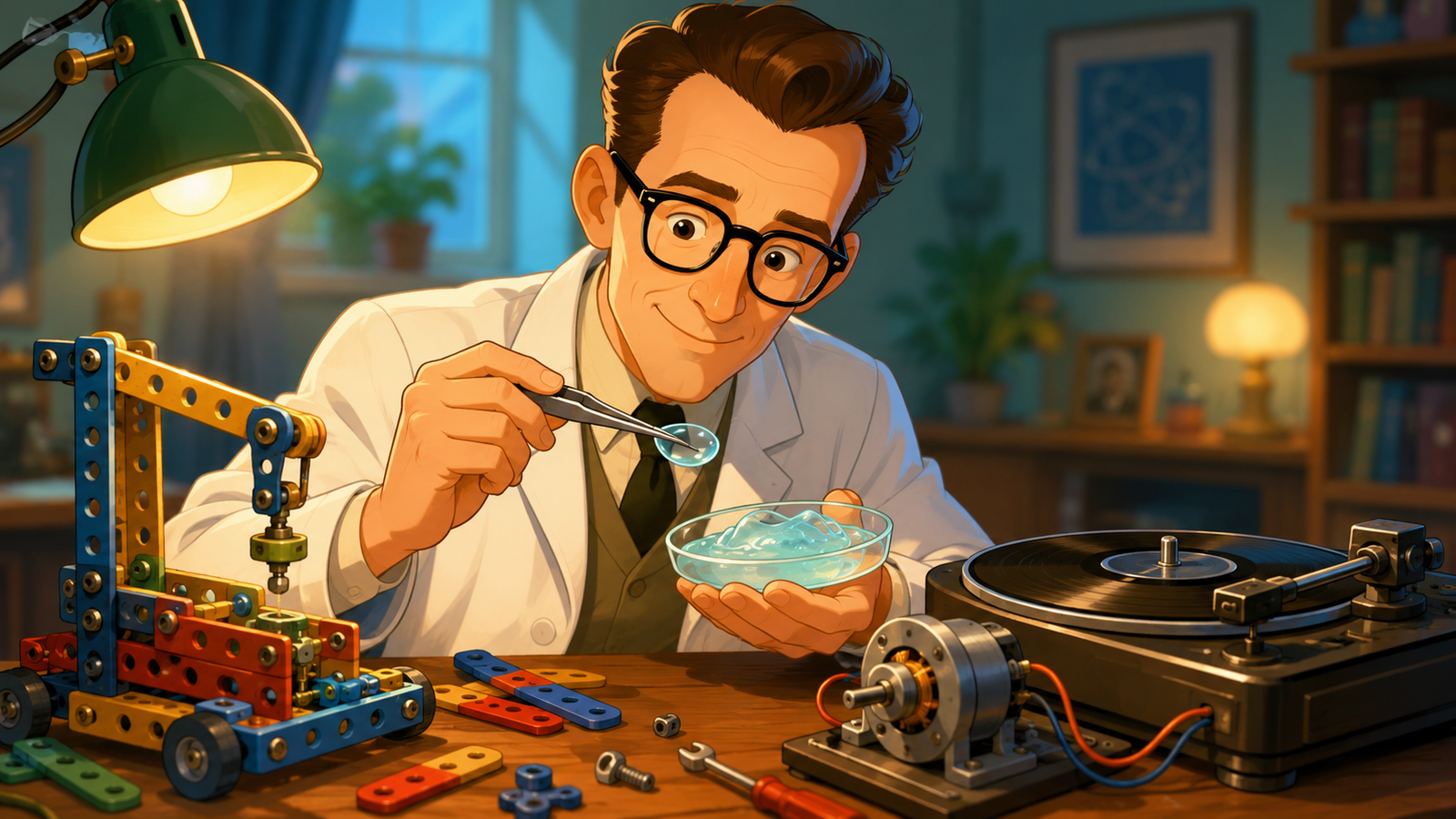
When Soft Materials Changed Contact Lenses
The development of softer materials made contact lenses more practical and comfortable to wear.
Otto Wichterle
Scientist Otto Wichterle played an important role in the development of soft contact lenses.
In 1961, he experimented with soft hydrogel materials at home using equipment that included parts from a toy construction kit and a record-player motor.
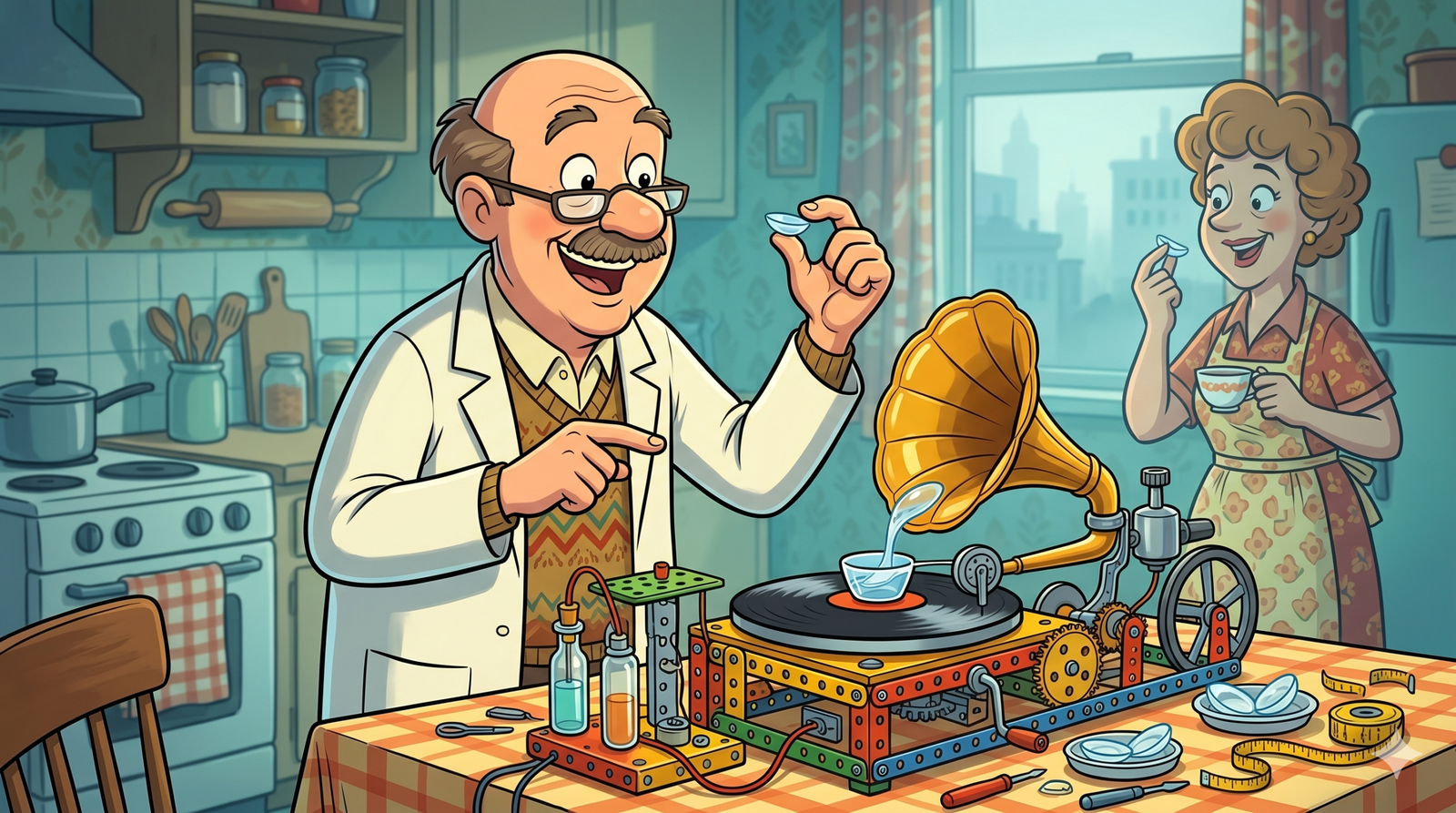
Innovation Doesn’t Always Begin in a Laboratory
Wichterle’s experiments demonstrated how creative thinking and experimentation could contribute to the development of new medical technologies.
Designed to Work with the Eye

Sitting on a Thin Layer of Tears
Today, contact lenses are designed from advanced materials and sit on the thin layer of tears covering the eye.
Blinking helps keep the lens moving comfortably across the eye’s surface.
From Hard Lenses to Advanced Materials
The evolution of contact lenses shows how advances in materials science can transform a simple idea into a technology designed to work naturally with the human body.
Dentures: The Long History of Artificial Teeth
An Ancient Idea That Still Helps People Today
People have been creating artificial teeth for thousands of years.
Over time, different civilizations experimented with materials and designs to replace missing teeth and restore everyday function.

Artificial Teeth Thousands of Years Ago
People have been creating artificial teeth for thousands of years.
The ancient Etruscans were making forms of dentures as early as around 700 BCE.

From Teeth and Ivory to Metal Components
Historical dentures have been made using a wide range of materials.
These included human teeth, animal teeth, ivory, and metal components.
George Washington’s Dentures
George Washington is another famous historical example connected with dentures.
Despite the popular myth, his dentures were not made from wood.

Not Wooden — But Made from Complex Materials
One of the most persistent stories about George Washington is that his dentures were made from wood.
Historical evidence shows that his dentures were made from materials including ivory and other components.
Designed for Everyday Life

More Natural, More Functional
Modern dentures are designed to look more natural and help people with everyday activities.
They can support important functions such as eating, speaking, and smiling.
From Ancient Craftsmanship to Modern Restoration
The long history of dentures shows how humans have continually developed new ways to replace missing teeth and restore everyday functions.
Hip Replacements: Giving People Their Movement Back
Rebuilding One of the Body’s Most Important Joints
The hip is one of the body’s major ball-and-socket joints.
It plays an important role in everyday movement, including walking, standing, bending, and climbing stairs.

A Joint Designed for Movement
The hip is a major ball-and-socket joint that allows the leg to move in several directions.
When the joint becomes damaged, even simple movements can become painful or difficult.
Pain Can Make Everyday Movement Difficult
Injuries, arthritis, and other conditions can damage the hip and make normal activities painful or difficult.

Replacing the Damaged Parts of the Joint
During hip replacement surgery, damaged parts of the joint can be replaced with artificial components.
The replacement is designed to recreate the movement of a natural ball-and-socket joint.
What Are Artificial Hip Components Made From?
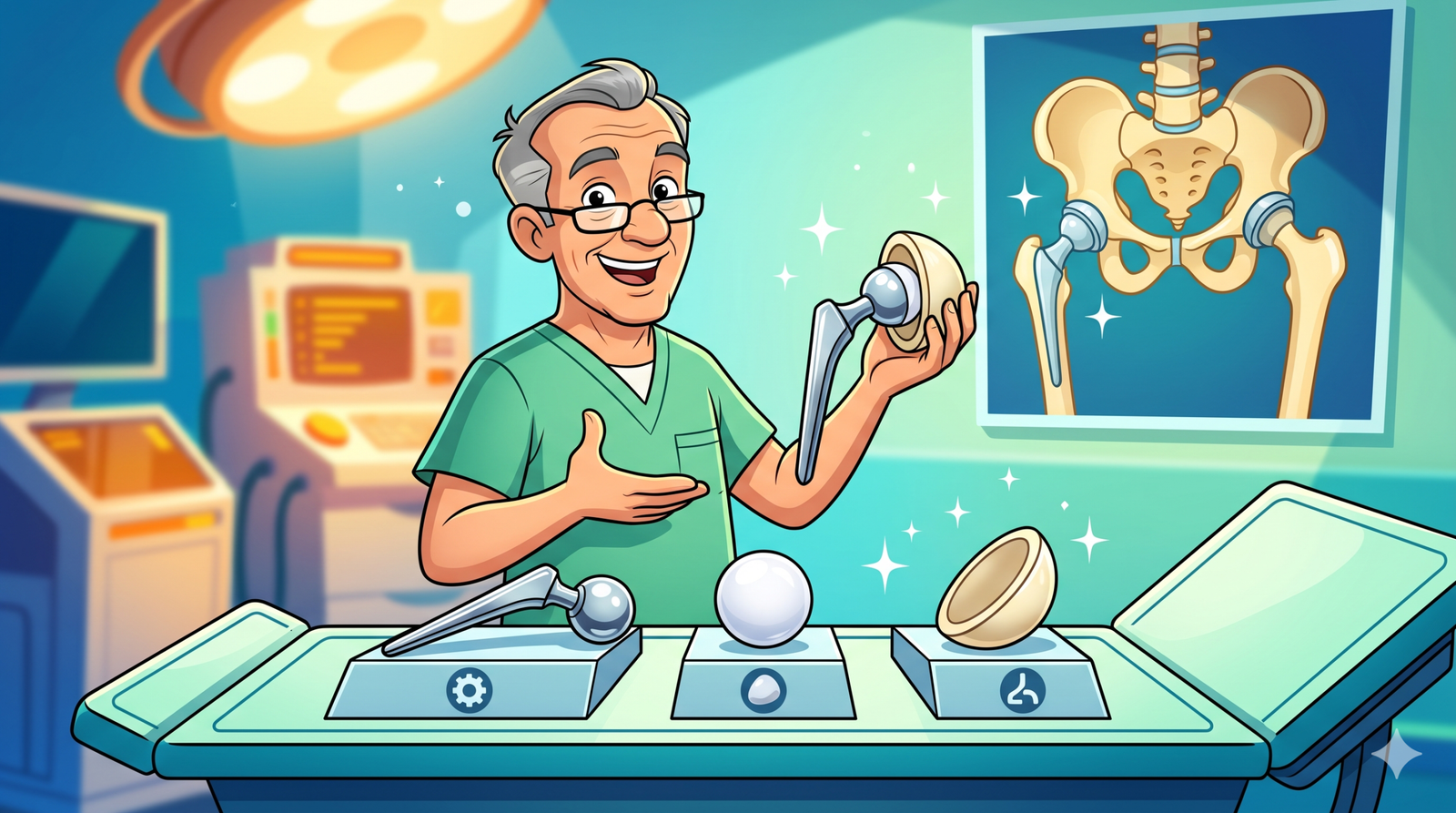
Strong Materials Built for the Body
Artificial hip components can use different materials selected for strength, durability, and compatibility with the body.
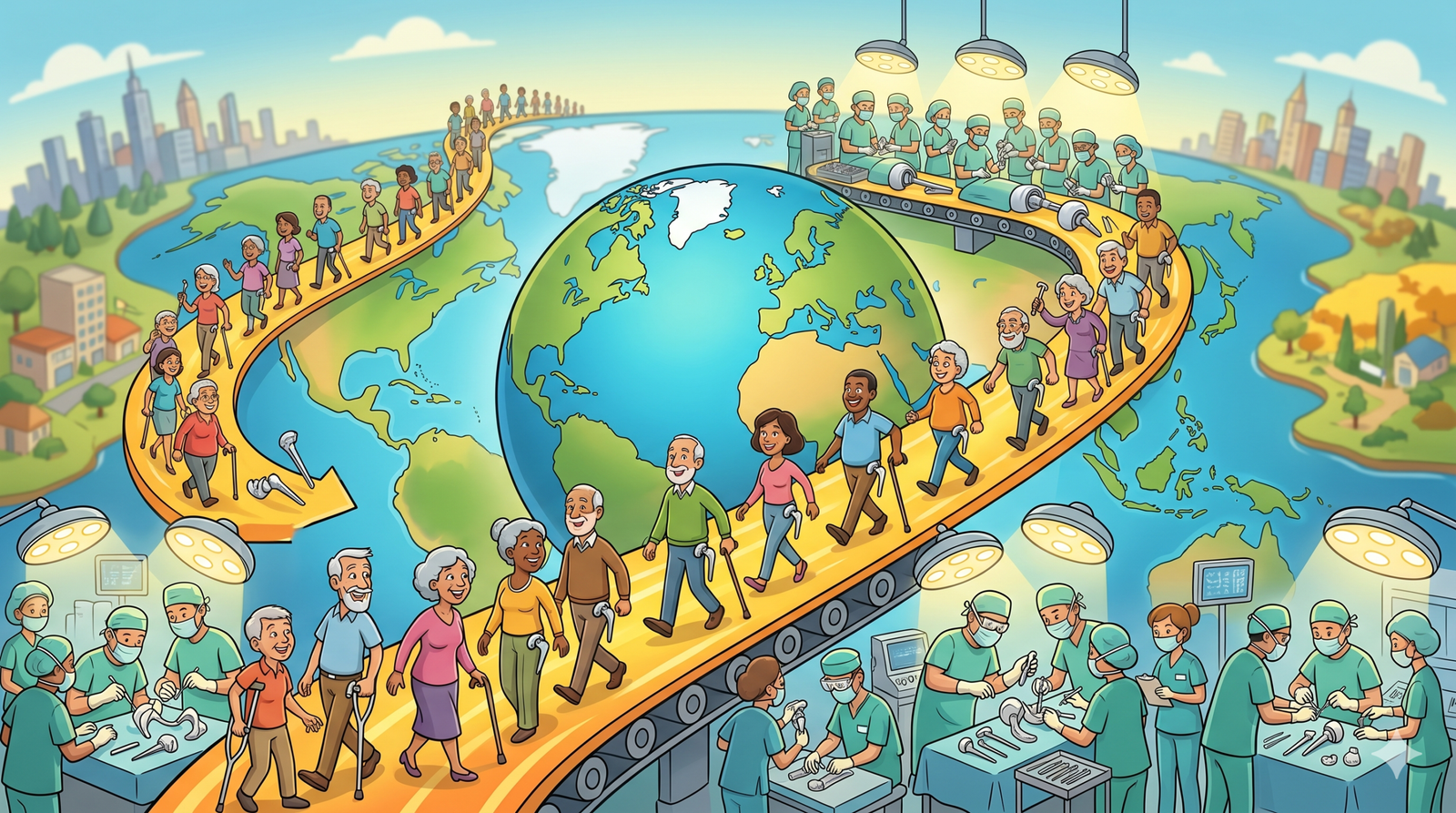
Giving People Their Movement Back
For many people, hip replacement can make everyday activities such as walking and climbing stairs much easier.
Recreating Natural Movement
Hip replacement technology shows how artificial components can be carefully engineered to help restore movement and make everyday life easier.
Pacemakers: Technology That Helps the Heart
Keeping the Heart’s Rhythm on Track
The heart depends on electrical signals to maintain its rhythm.
When the heart beats too slowly or develops certain rhythm problems, a pacemaker may be used to help regulate the heartbeat.

The Heart Runs on Electrical Signals
Electrical signals help coordinate the heart’s contractions and maintain a regular heartbeat.
When these signals do not work correctly, the heart may beat too slowly or develop certain rhythm problems.
Early Pacemakers Were Surprisingly Large
The first generations of pacemaker technology were very different from the tiny devices used today.
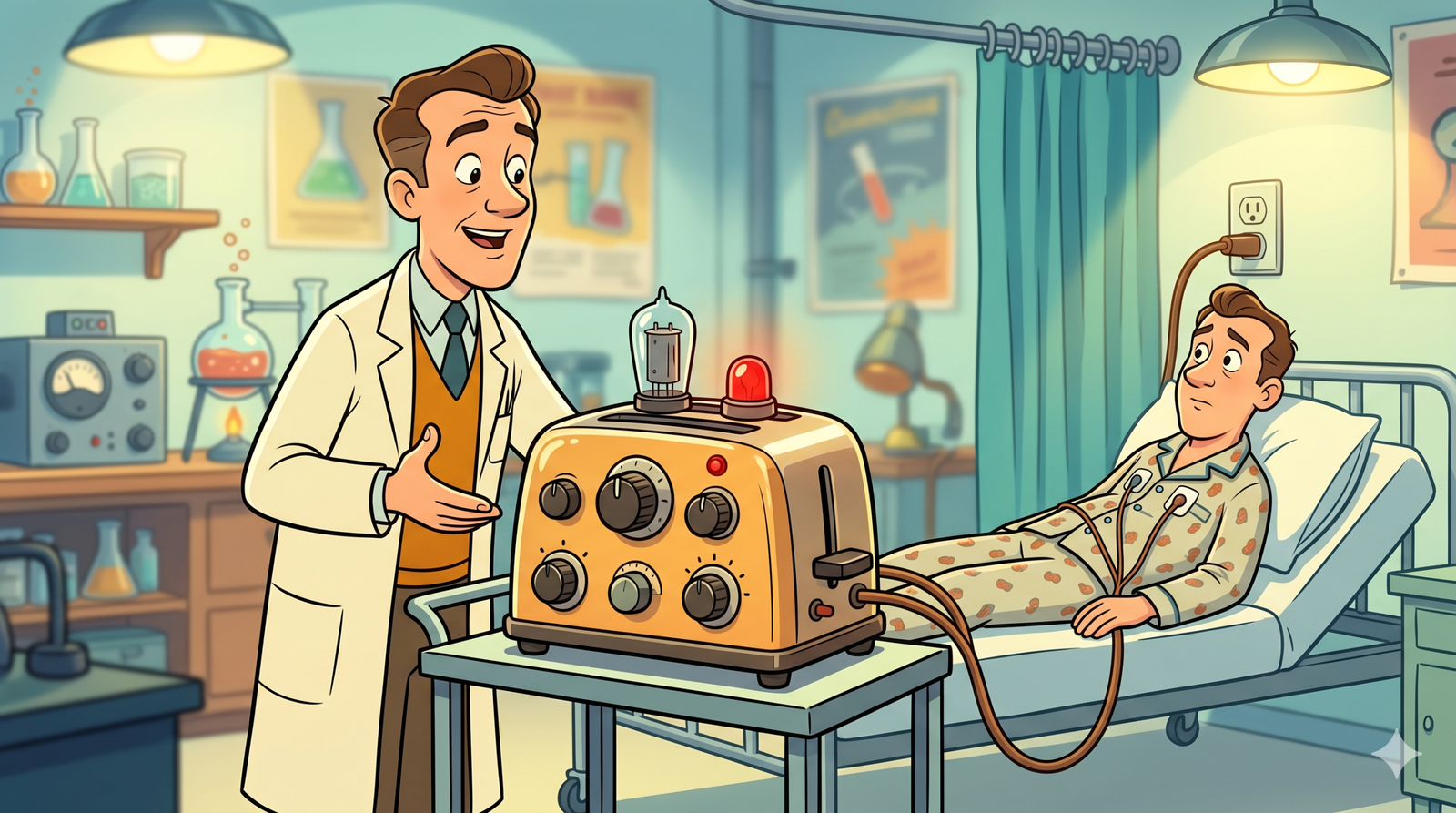
A Pacemaker the Size of a Toaster
In 1950, Canadian engineer John Hopps developed an early external pacemaker.
The device was around the size of a toaster and required an electrical connection.
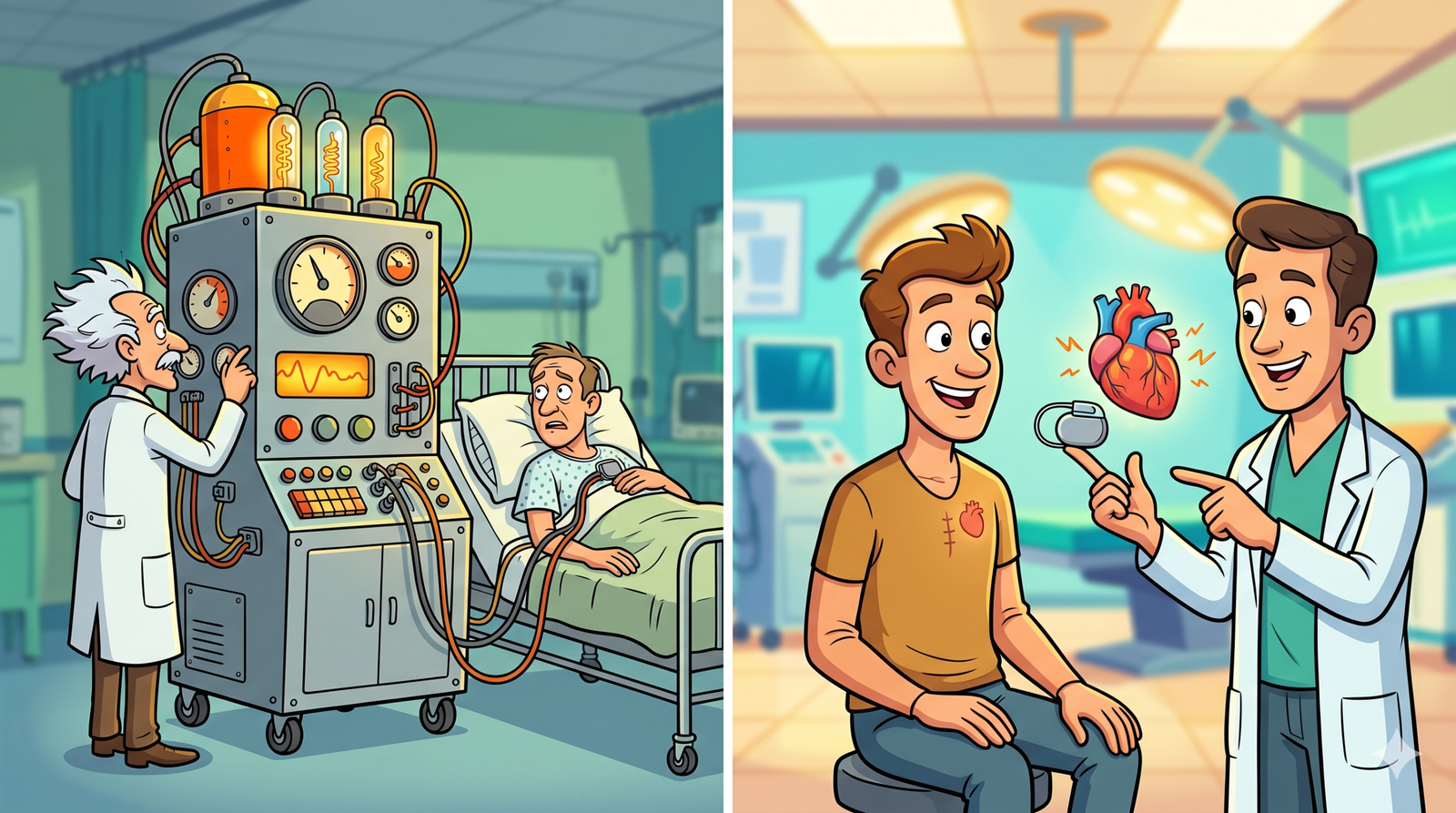
From External Machines to Implantable Technology
Early pacemaker technology demonstrated that electrical stimulation could help regulate the heartbeat.
But the large external machines were only an early step toward the compact implantable devices that would follow.
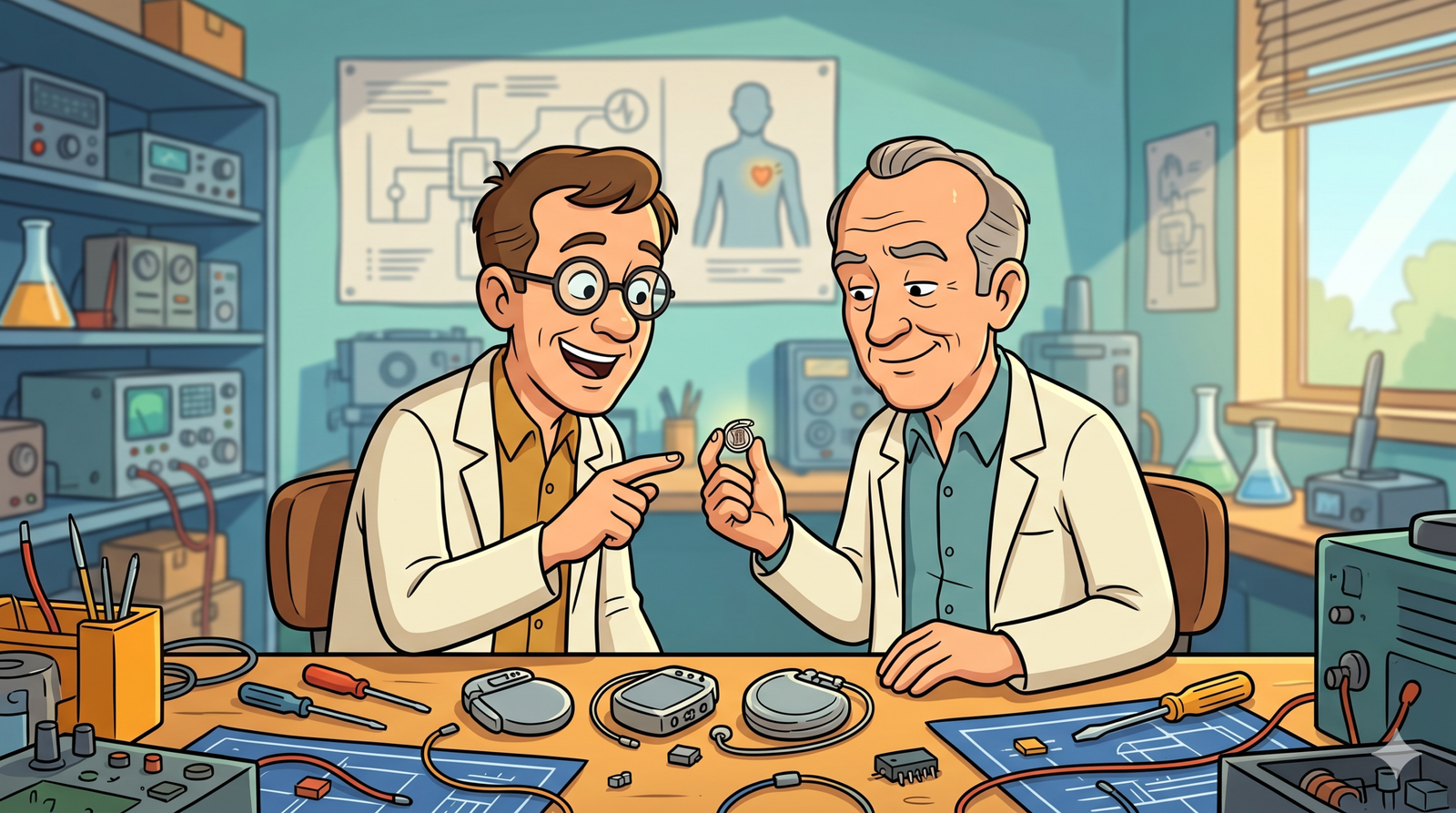
Making Pacemakers Smaller and Implantable
Later inventors including Wilson Greatbatch and William Chardack helped develop smaller pacemaker technology.
Their work contributed to the development of pacemakers suitable for implantation inside the body.
Small Device. Sophisticated Technology.
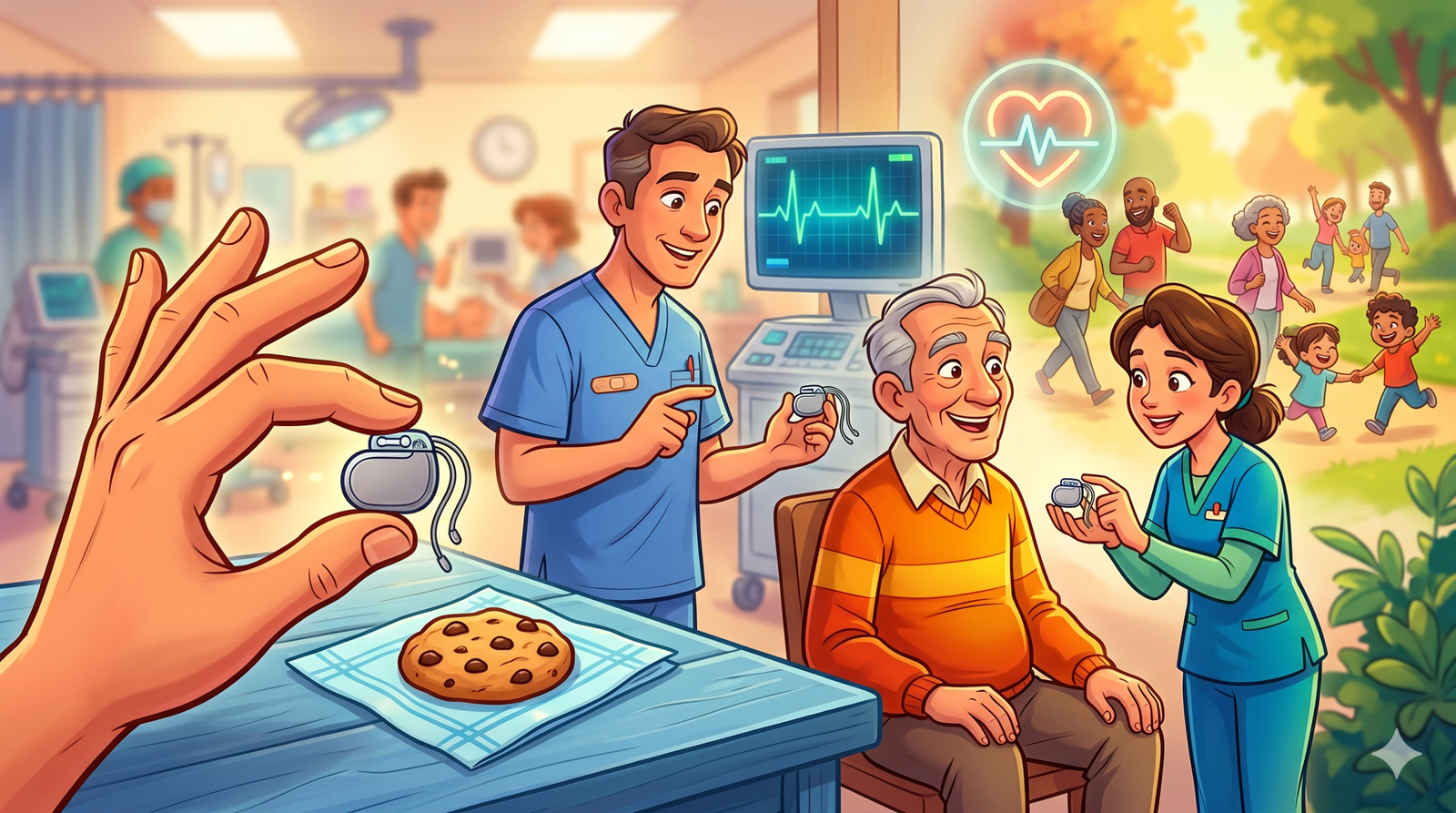
Compact Technology Working When Needed
Modern pacemakers are compact medical devices that can provide electrical stimulation when needed.
From a Toaster-Sized Machine to a Tiny Implant
The evolution of the pacemaker is a remarkable example of how medical technology can become smaller, smarter, and more sophisticated over time.
Artificial Eyes and the Future of Bionic Vision
Restoring the Appearance of the Eye
Artificial eyes have an important role, but they generally do not restore normal vision.
A glass or artificial eye is primarily designed to restore the appearance of the eye after injury or illness.
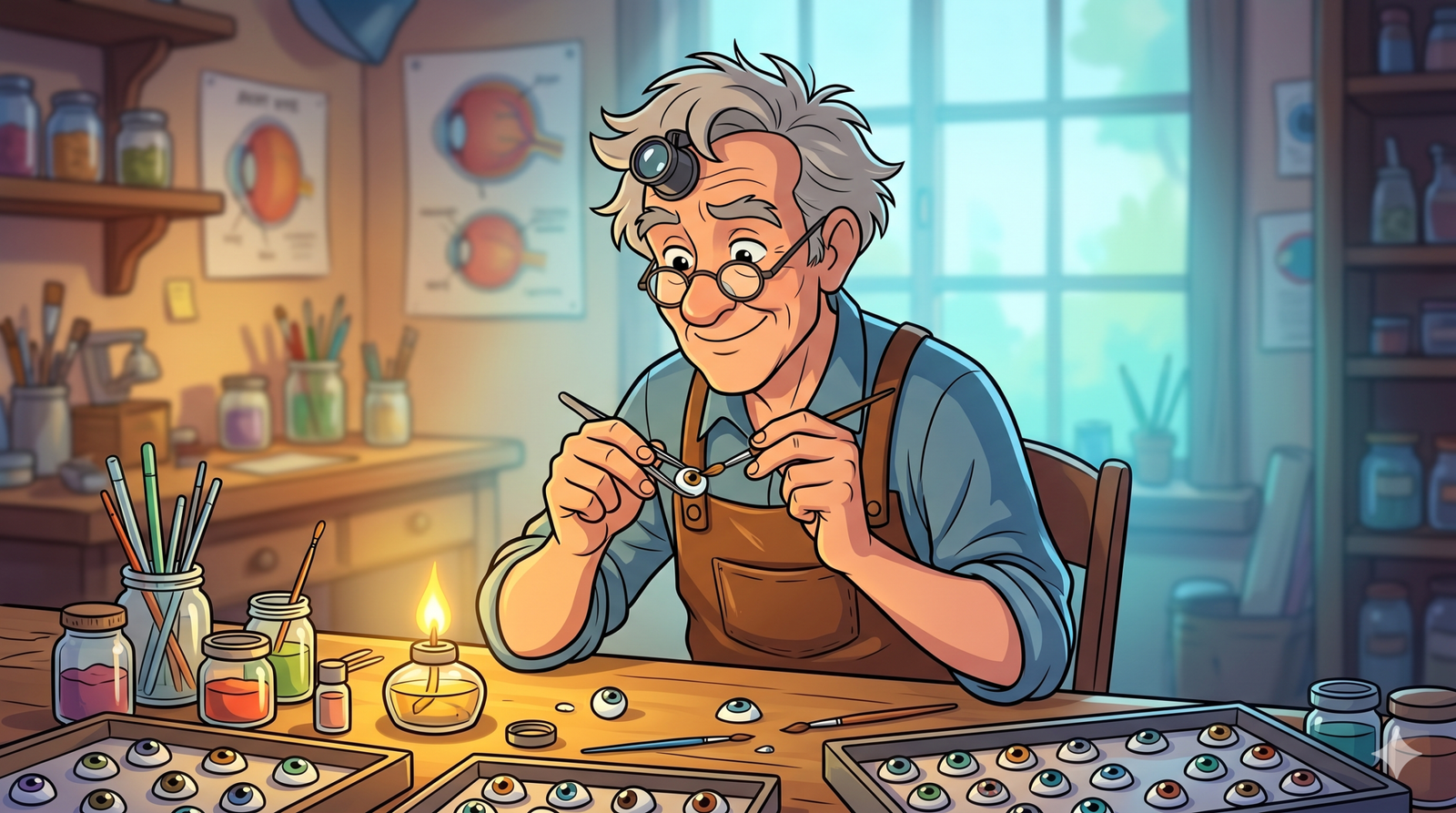
Carefully Designed to Look Natural
Specialists can carefully create and paint artificial eyes to achieve a realistic appearance.
These devices are primarily focused on restoring the appearance of the eye rather than restoring normal vision.
Bionic Vision Is About More Than Appearance
While artificial eyes can restore appearance, bionic vision explores whether technology can provide useful visual information to people who have lost their sight.
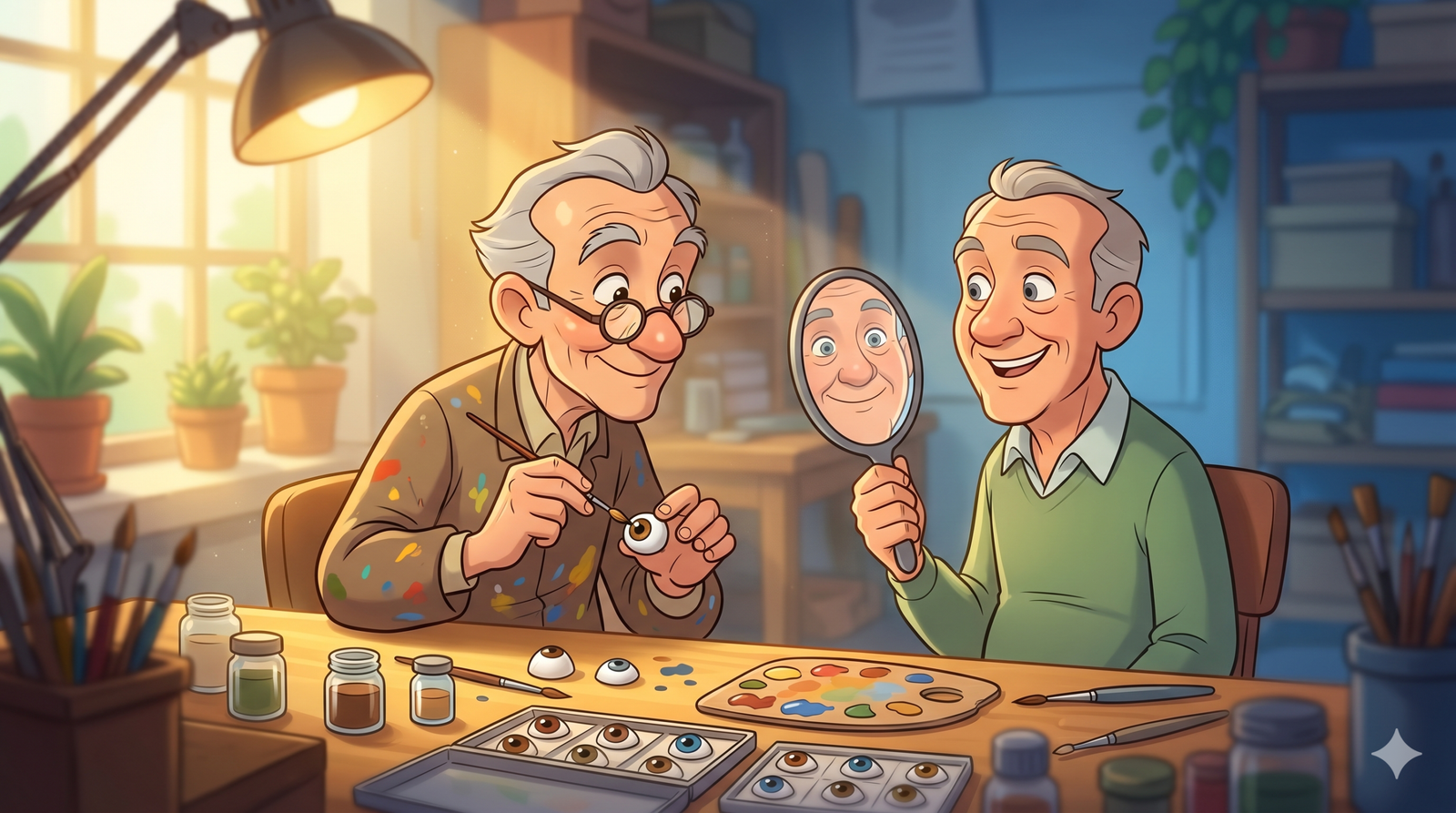
When a Camera Becomes Part of a Vision System
Researchers are investigating technologies that combine cameras, electronic components, and computer processing.
These systems are being explored as a way of providing useful visual information to people who have lost their sight.
Connecting Technology With the Nervous System
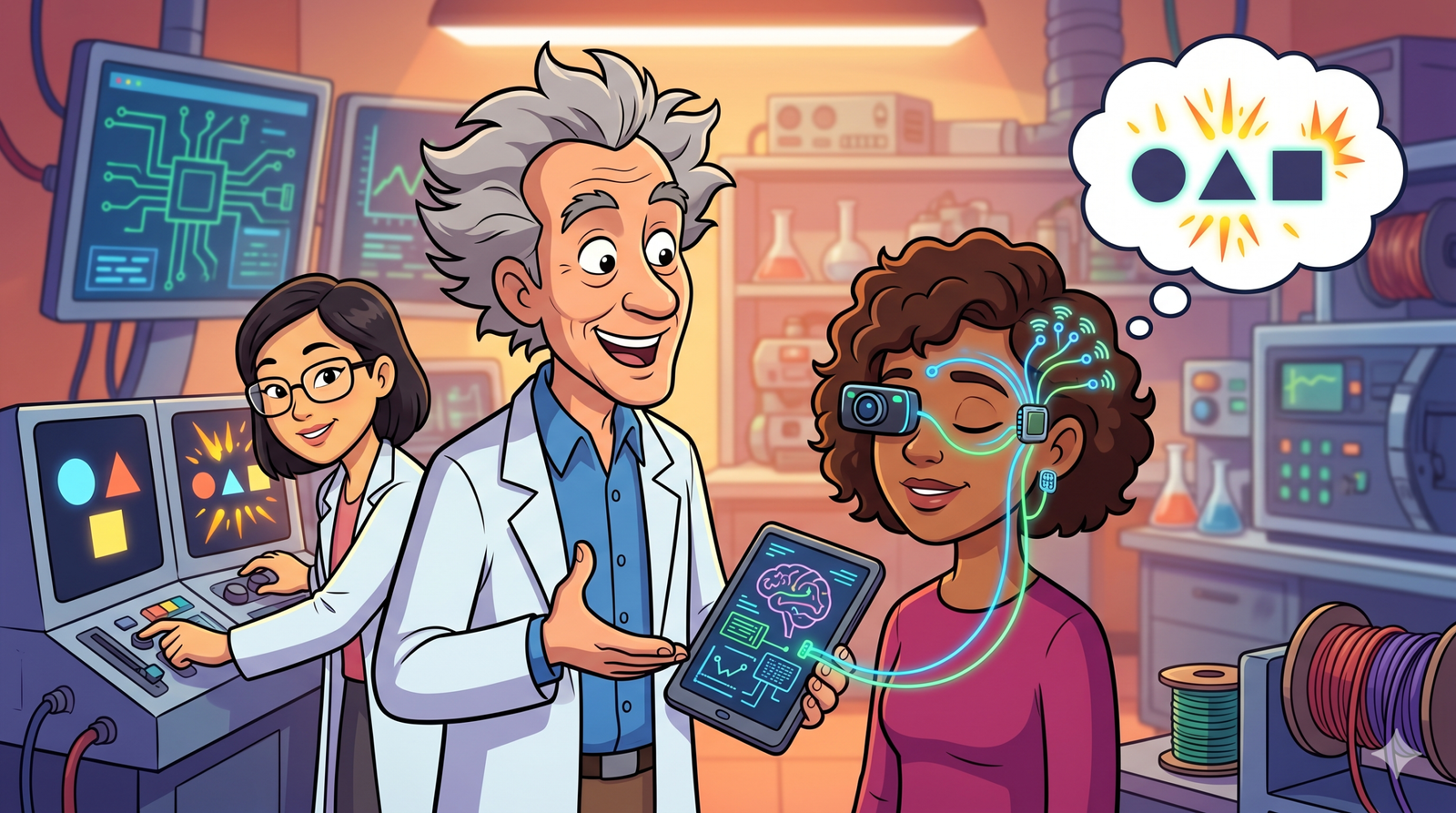
Where Electronics and Biology Meet
Researchers are also investigating ways to connect electronic systems with the nervous system.
The goal is not simply to replace the appearance of an eye, but to explore whether technology can communicate useful visual information to the body.
A Technology Still in Research
Bionic vision is still an active area of research. Scientists and engineers continue exploring how electronics, computer processing, and biology may work together.
From Artificial Eyes to Bionic Vision
The difference between an artificial eye and bionic vision highlights an important direction in medical technology: moving from restoring appearance toward exploring how technology might interact with the human nervous system.
How Bionic Technology Is Changing Lives
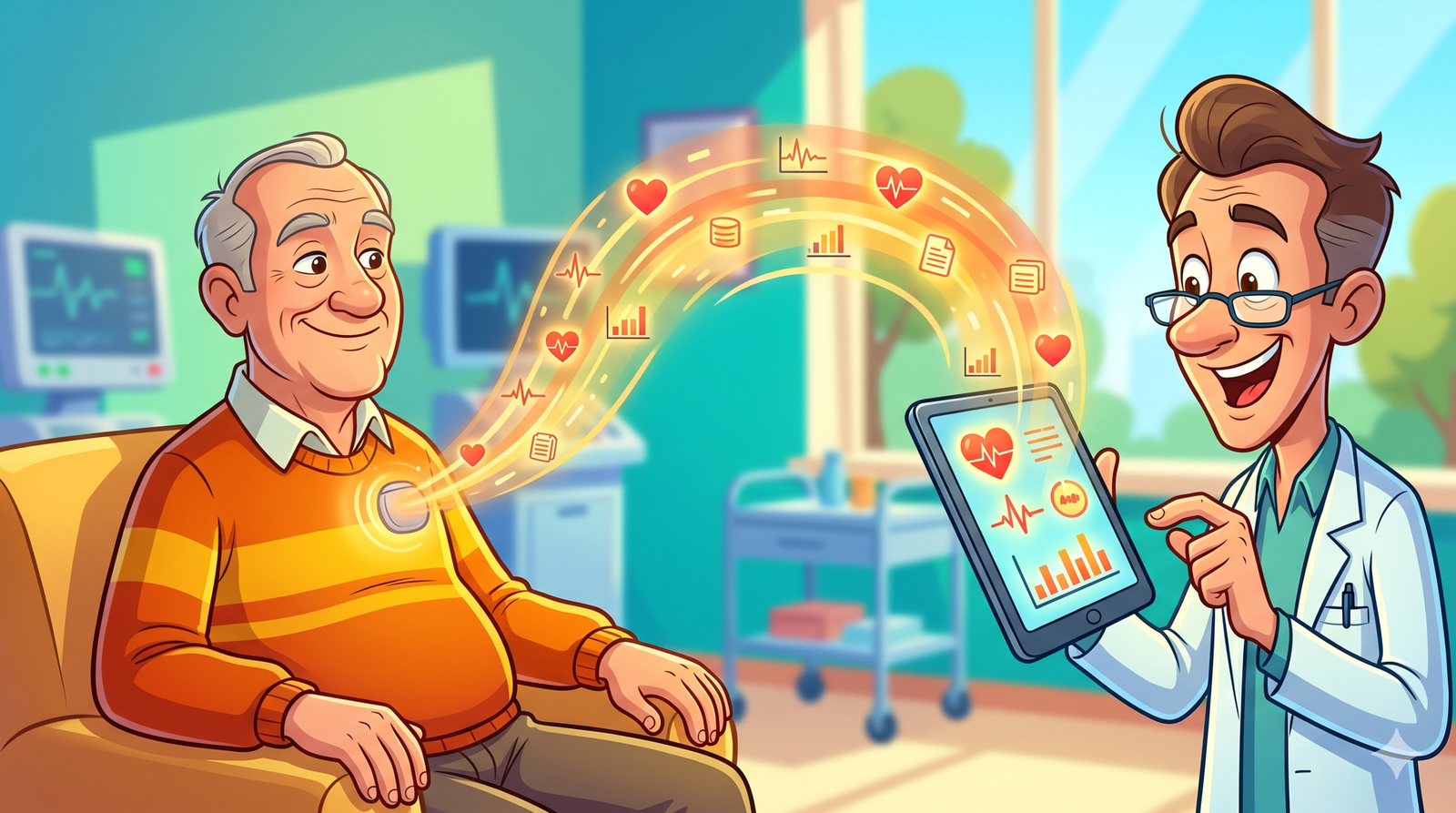
Bionic Technology Is About People.
Bionic and artificial body technologies are about more than machines and medical devices.
Behind every device is a person who wants to move, communicate, participate, and live life on their own terms.
Turning Challenges Into Possibilities
They can help people regain abilities, become more independent, and return to everyday activities.

Technology Can Help With Everyday Abilities
Move More Easily
Hear Sounds
Participate in Sports
Eat & Speak
Maintain Independence
Feel More Confident

Technology Can Open New Paths
For children and adults alike, these technologies can open opportunities to attend school, work, participate in activities, and follow their interests.
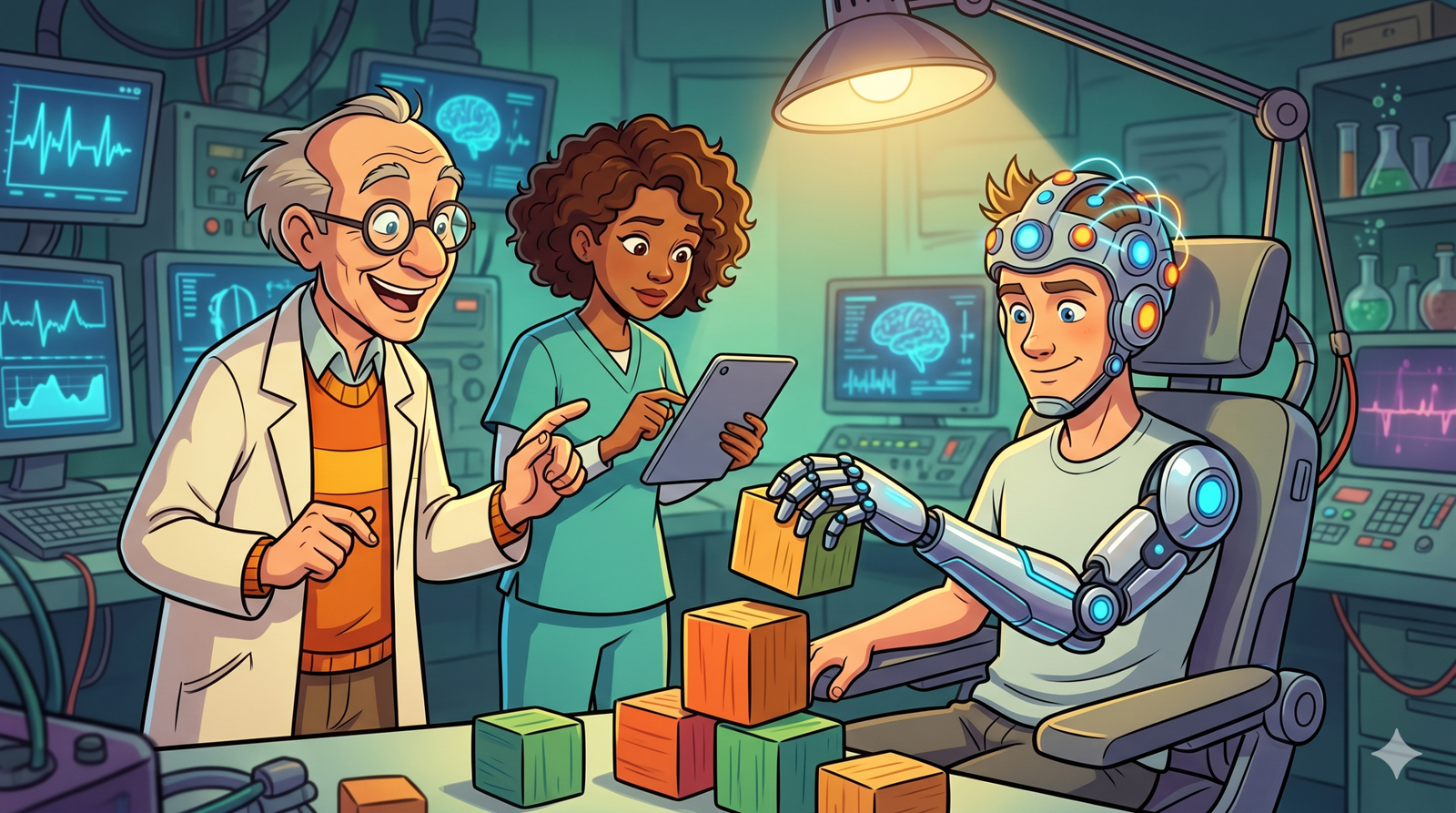
Human Creativity Solving Real Problems.
At its heart, bionic technology is about using human creativity to solve real problems.
The future of bionic technology is not simply about building better machines. It is about creating better possibilities for people.
Amazing Bionic Body Part Facts
From robotic arms to brain-controlled limbs, modern technology is creating remarkable ways to support the human body.
technologies. Six fascinating facts. One incredible journey of human innovation.
Precision in Motion
Some advanced robotic arms are capable of performing surprisingly precise movements.
Finding Clarity
Modern hearing aids can use technology to help manage sounds in noisy environments.
Built for Movement
Some prosthetic limbs are specially designed for activities such as running and swimming.
When the Brain Meets Machine
Researchers are exploring ways to use brain signals to control robotic prosthetic devices.
Technology Needs Care
Dentures need regular cleaning and care to keep them hygienic.
Small Device, Big Responsibility
Modern pacemakers can incorporate advanced monitoring and communication technology.
Six technologies. One idea.
Whether helping someone move, hear, communicate, maintain independence, or manage a medical condition, bionic technology continues to bring engineering closer to the human body.
HUMAN BODY × HUMAN INGENUITY → NEW POSSIBILITIES
The Future of Bionics
The next generation of bionic technology may bring artificial body parts closer than ever to the way natural human systems work.
Scientists and engineers are exploring technologies that could change the relationship between humans and machines.
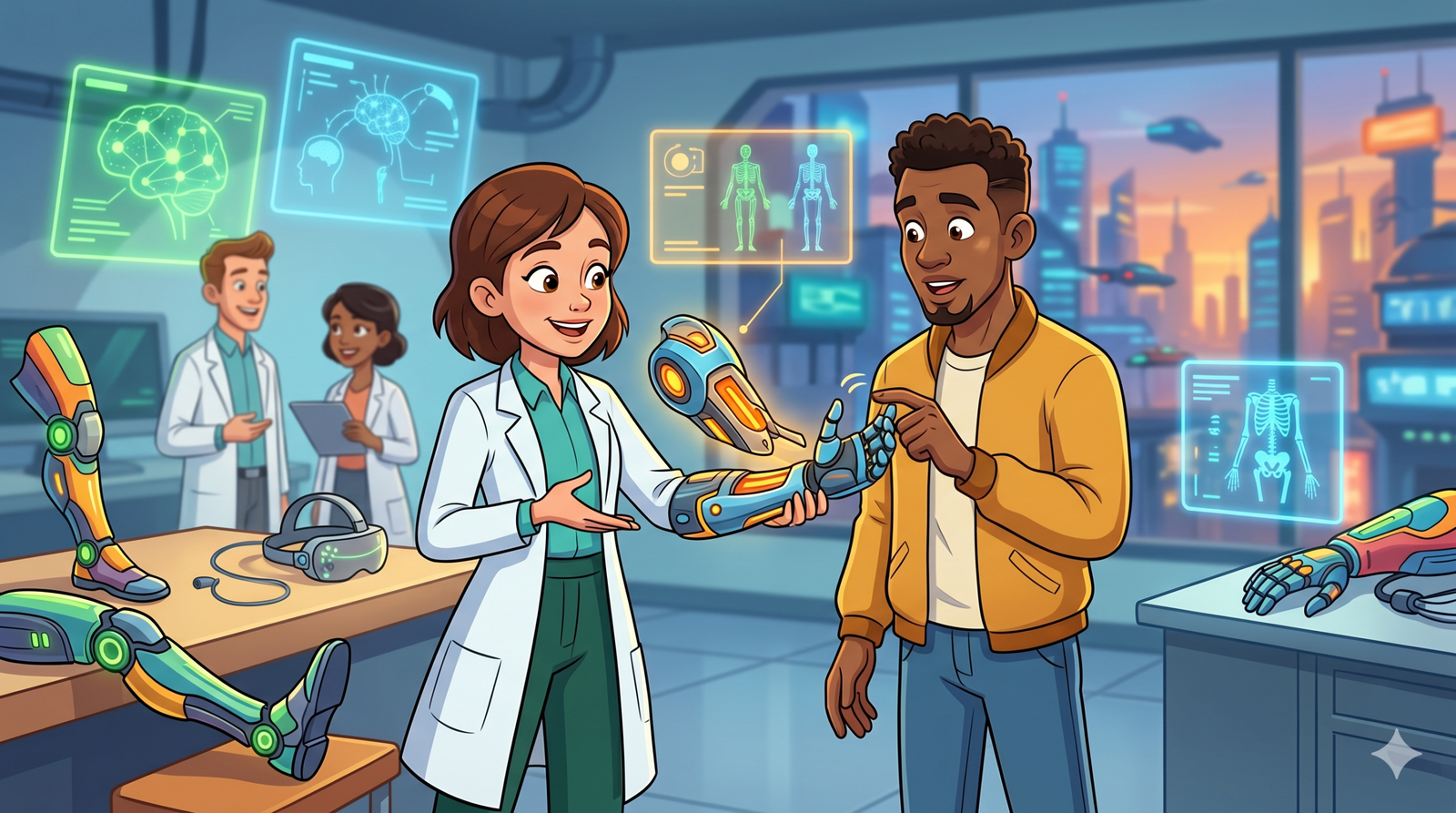
A New Generation of Bionic Devices
Scientists and engineers are researching technologies that could make artificial body parts more capable, responsive, and useful in everyday life.
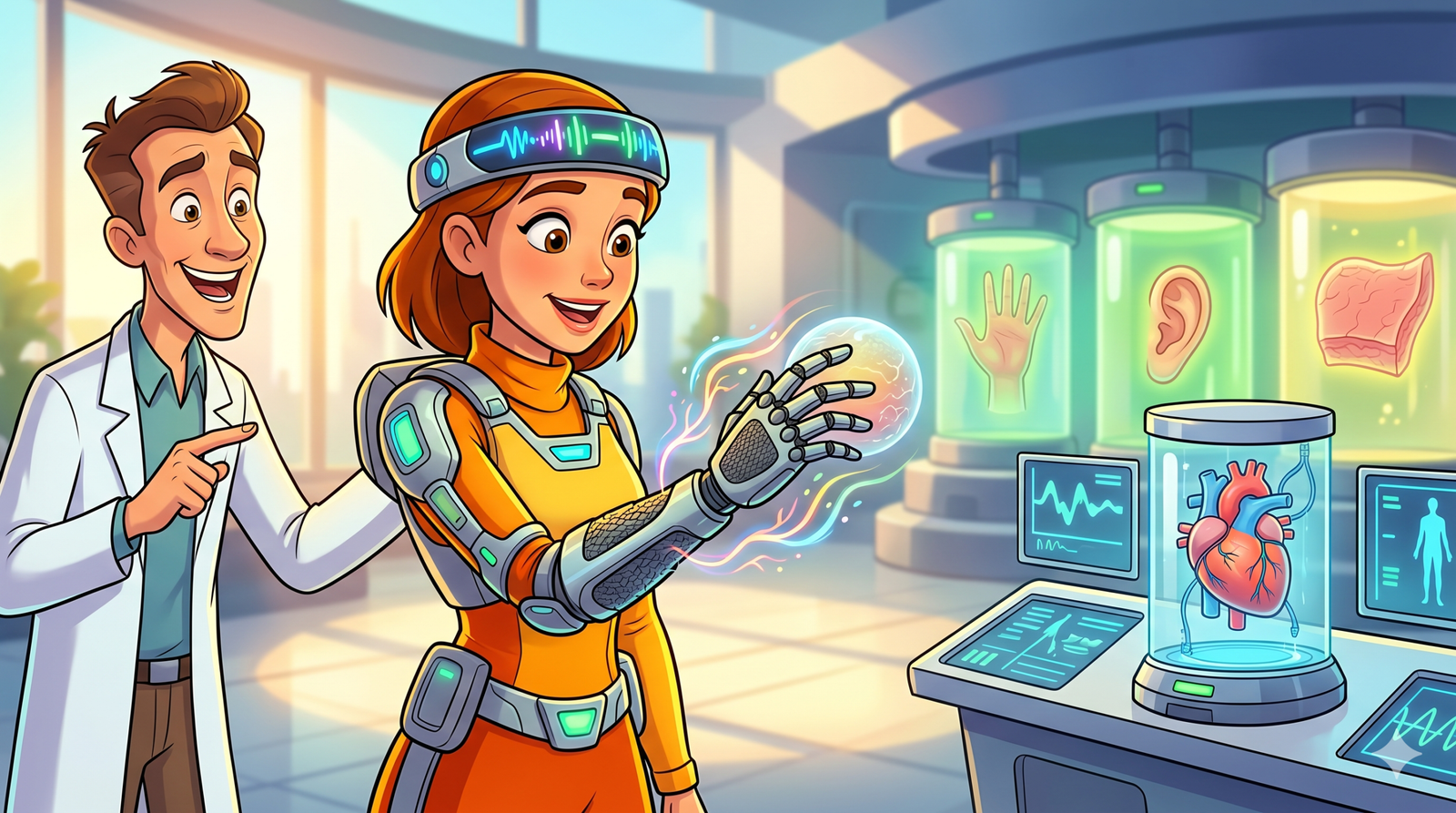
When Technology Speaks to the Body
One particularly exciting area is the development of technology that can communicate more naturally with the human nervous system.
More responsive. More comfortable. More connected.

The Next Breakthrough Could Start in a Classroom
The next major breakthrough could come from a scientist, engineer, doctor, or inventor who is still sitting in a classroom today.
The future of bionics may be shaped by the people who are learning how to build it today.
Artificial body parts may become more human in the way they respond.
As these technologies improve, artificial body parts may become more responsive, more comfortable, and more closely connected to the people who use them.
Bionics is no longer simply about replacing what the body has lost. It is becoming a field where biology, engineering, electronics, and human creativity meet.
When Technology Helps Humanity
The story of bionic body parts stretches from ancient wooden toes to today’s advanced robotic and electronic technologies.
Ancient Ingenuity
Long before electronics and robotics existed, people were already creating artificial body parts to solve human problems.
Science Meets Medicine
As scientific knowledge grew, artificial body technologies became more sophisticated, more functional, and increasingly designed around the needs of individual people.
Technology Meets the Human Body
Modern bionics combines engineering, electronics, medicine, materials science, and human creativity to help people move, hear, see, work, and live more independently.
The real achievement isn’t the technology.
It is what that technology makes possible.
Abilities
Independence
Possibilities
These inventions show how science can do more than create machines. It can help people overcome challenges, regain independence, and enjoy everyday activities.
Bionics is a powerful example of what can happen when human creativity, science, medicine, and technology work together.
Stay curious.
Keep exploring.
Keep inventing.
END OF ARTICLE
Curious About What Comes Next?
If you enjoyed exploring the fascinating world of bionic technology, there is much more waiting to be discovered.
Join us on YouTube for more incredible stories about science, technology, innovation, and the ideas shaping our future.
Keep learning. Keep questioning. Keep discovering.





Leave a Reply